

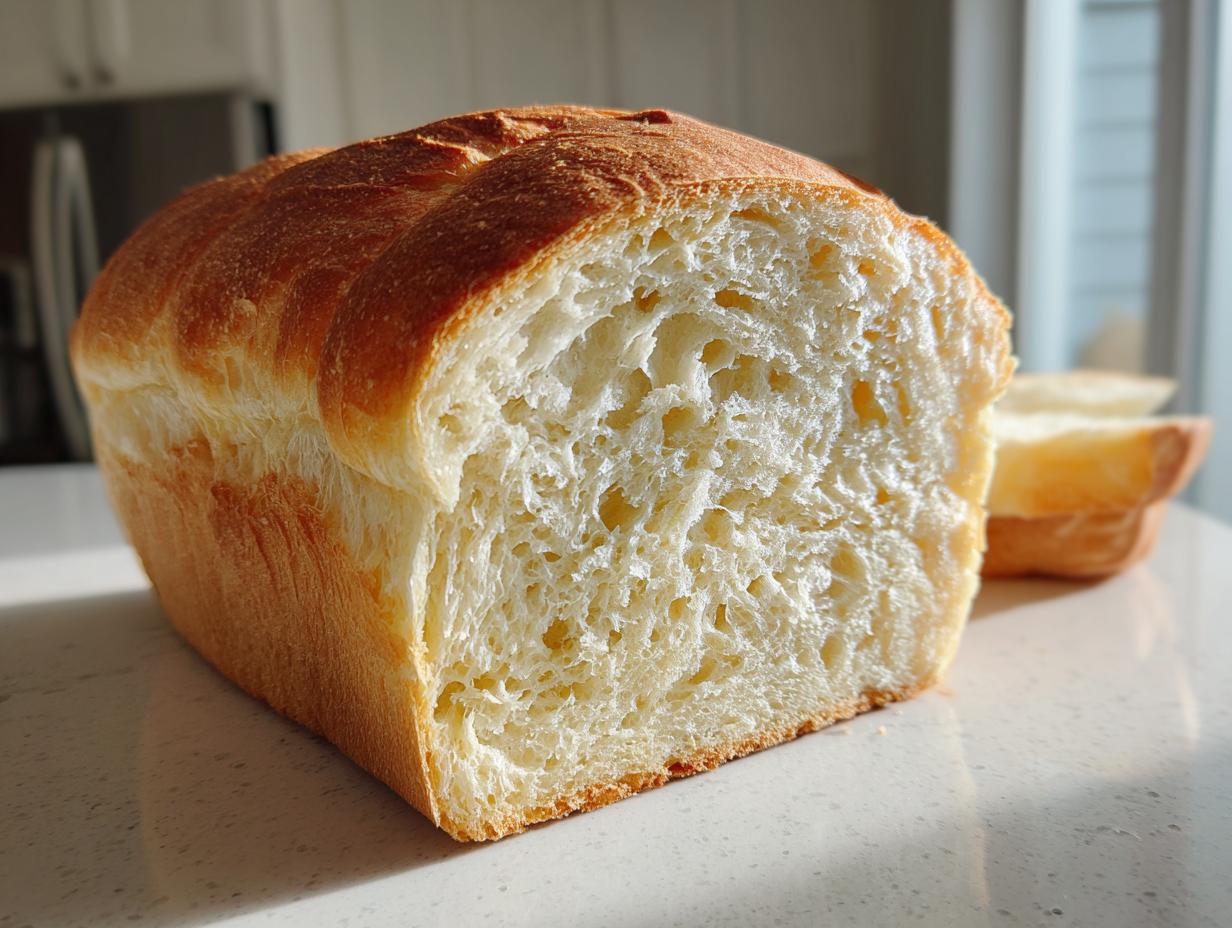
It’s funny, in my corporate life, I spent so much time trying to cut corners, but in the kitchen, I learned that when it comes to sourdough, you really have to show up for the process. Achieving a perfect sourdough sandwich bread that rivals store-bought softness was a goal I chased for years! Most sourdough recipes give you that gorgeous, blistered, rustic boule—which I love—but they aren’t what you want when you’re making a nostalgic PB&J or packing lunchboxes. I developed this recipe after countless trials because I truly believe that sharing good food is how we connect, and everyone deserves bread that is soft, fluffy, and beautifully sliceable. You can read more about why I started Bring Dish and this whole philosophy over on our About page.
This recipe is engineered to be your go-to beginner sourdough sandwich bread, making the often-intimidating world of natural leavening totally accessible. We focus on simple steps and hydrating just right to get that delicate, buttery crumb everyone desires. If you’re ready to put away the store-bought stuff for good, pull out your active starter—we’re about to make something special together.
- Why This is Your Best Sourdough Sandwich Bread Recipe Yet
- Ingredients for Your Soft Sourdough Sandwich Bread Loaf
- How to Make Sourdough Sandwich Bread: Step-by-Step
- Tips for Success with Your Beginner Sourdough Sandwich Bread
- Storage and Reheating Instructions for Homemade Sandwich Bread Sourdough
- Making Your Sourdough Sandwich Bread Gut Healthy Sourdough Bread
- Serving Suggestions for Your Perfect Sourdough Loaf
- Frequently Asked Questions About Sourdough Sandwich Bread
- Share Your Homemade Sandwich Bread Sourdough Creations
- Share Your Homemade Sandwich Bread Sourdough Creations
Why This is Your Best Sourdough Sandwich Bread Recipe Yet
If you’ve been avoiding sourdough sandwich bread because you think it has to be dense and chewy, I need you to stick with me here. This recipe is specifically designed for softness, making it a dream for toasting or serving the pickiest eaters at your table. We skip the heavy kneading and focus on gentle structure building. This results in a loaf that is wonderfully tender and easy to slice perfectly every time.
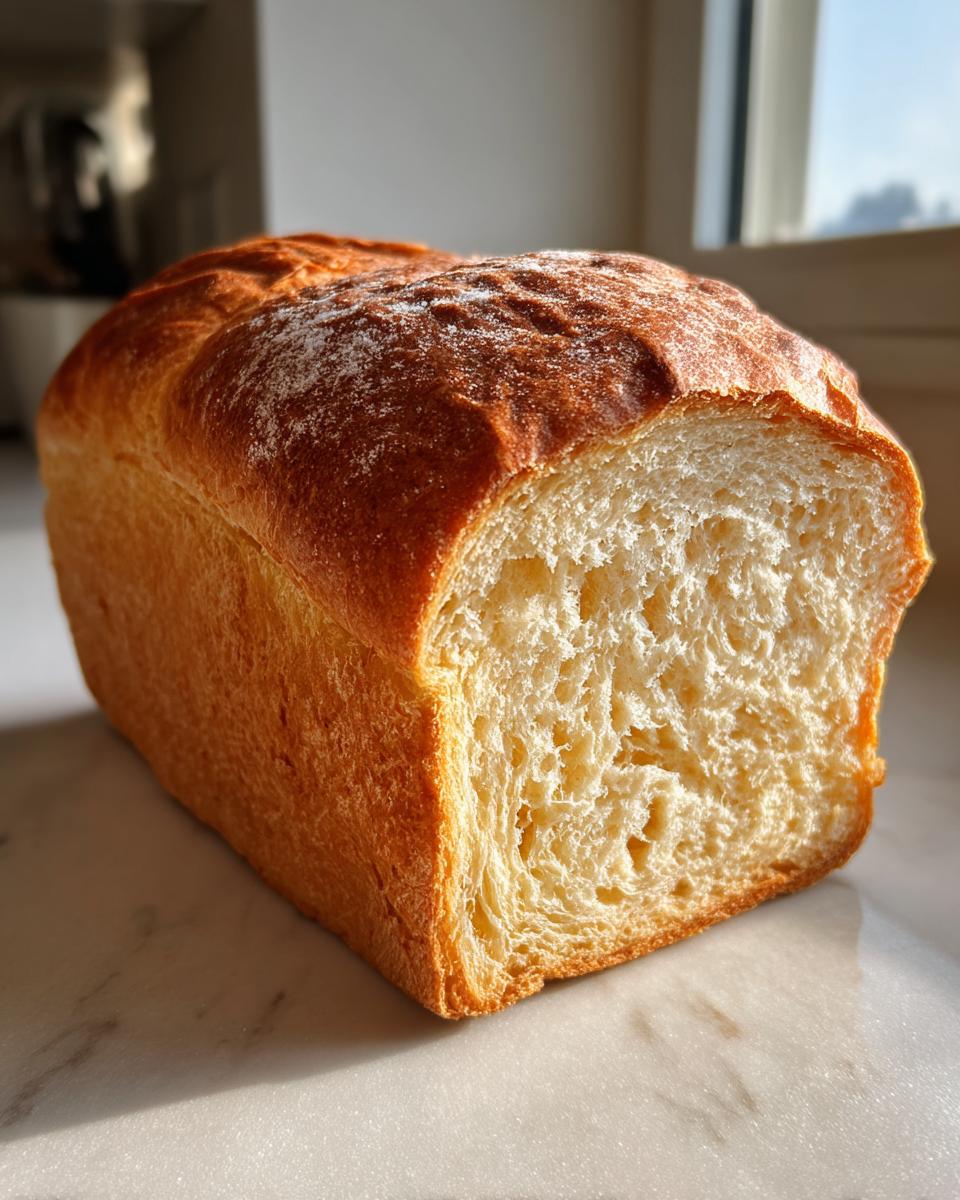
- A genuine, Buttery Sourdough Crumb that rivals commercial bread.
- Simple enough for beginners—we keep the steps straightforward.
- Perfectly Sliceable Sourdough Loaf, ideal for lunchboxes.
- Great for Picky Eater Sourdough Bread because the tang is very mild.
Achieving the Perfect Fluffy Sourdough Recipe
What gives us that unbelievable softness in this Fluffy Sourdough Recipe? It’s two small additions: honey and avocado oil. The honey helps feed the yeast and tenderizes the dough beautifully, while the oil coats the flour, preventing too much tough gluten structure from forming. This small amount of added fat is what moves this loaf from ‘rustic’ to ‘reliably soft’!
Ingredients for Your Soft Sourdough Sandwich Bread Loaf
When following any new bread recipe, especially one focusing on a specific texture like this Soft Sourdough Sandwich Bread, the ingredients list needs to be crystal clear. No surprises allowed in my kitchen! These measurements are dialed in for that perfect 9×5 inch loaf. Trust me, getting the starter right is half the battle in making this an Easy Sourdough Loaf.
- 150g active sourdough starter (It must be active and bubbly—fed 4 to 8 hours before you mix!)
- 325g warm filtered water (Warm, like a comfortable bath, not hot!)
- 20g avocado oil (Or another neutral oil; this is our secret weapon for softness!)
- 25g honey (For color and a tender crumb.)
- 500g unbleached bread flour (Bread flour gives us the strength we need.)
- 10g salt (Crucial for flavor and structure control.)
Ingredient Notes and Substitutions
Since this is a Simple Sourdough Bread Recipe, we don’t have a ton of room for variation, but a few tweaks are definitely possible! The most important thing is that your starter is happy; if it’s sluggish, you won’t get that beautiful rise needed for a truly Perfect Sourdough Loaf.
If you want to pivot to a Honey Wheat Sourdough, it’s super simple. Just swap out 100g of the bread flour for whole wheat flour. You might need an extra teaspoon or two of water if the dough feels too stiff after the first rest, but generally, it works like a charm!
For those aiming for a truly Gut Healthy Sourdough Bread, my notes suggest extending the bulk ferment significantly—think 12 to 18 hours in the fridge. This long, slow proof breaks down the gluten and starches even more, making it easier on your digestion, but you *must* ensure your starter is super robust before you start that long journey.
How to Make Sourdough Sandwich Bread: Step-by-Step
I know that bread schedules can look intimidating, but this is truly a hands-off process once you get the initial components mixed. Because we aren’t aggressively kneading the dough—we rely on time and gentle manipulation—it’s much less work than you might think. Following these few steps precisely is what guarantees you get that beautiful, Sliceable Sourdough Loaf we are aiming for. If you ever get stuck mid-process and need a quick lifeline, don’t hesitate to reach out through our Contact Page!
Mixing and Initial Rest for Your Easy Sourdough Loaf
First things first: We combine the liquids and starters. In a large bowl, whisk together your active starter, warm water, avocado oil, and honey until it looks slightly milky and cloudy. This is key for hydration! Next, toss in your bread flour and salt. Mix everything with a wooden spoon or your hand until you have just combined it. Seriously, stop mixing when you can’t see any more dry spots. You want a shaggy dough. Now, cover this bowl tightly and let it rest for one full hour. This autolyse period lets the flour hydrate nicely, which is the foundation of our No Knead Sourdough Sandwich method.
Developing Structure with Stretch and Folds
After that first hour, it’s time to introduce some strength! For the next two hours, we perform four sets of stretch and folds, spaced 30 minutes apart. You don’t need to be gentle, but don’t beat the dough up! Just reach under one side of the dough, pull it up high, and fold it over itself onto the center. Rotate the bowl a quarter turn and repeat three more times until you’ve hit all four sides. Cover it and let it rest between each set. By the fourth set, you should notice the dough looking much smoother and feeling stronger.
Shaping and Final Proofing for a Perfect Sourdough Loaf
Once the bulk fermentation is done—meaning it has clearly increased in size and looks happy—gently turn the dough out onto a lightly floured surface. We don’t deflate it! Shape it carefully into a tight log, making sure the final seam is snugly closed, and place it seam-side down into your well-greased 9×5 inch loaf pan. Cover the pan and let it proof at room temperature. How do you know when it’s ready to bake? It should have risen about 1 inch above the rim of the pan. This final rise is crucial for making sure you get a tall, beautiful oven spring. If it’s below the rim, give it a little more time!
Tips for Success with Your Beginner Sourdough Sandwich Bread
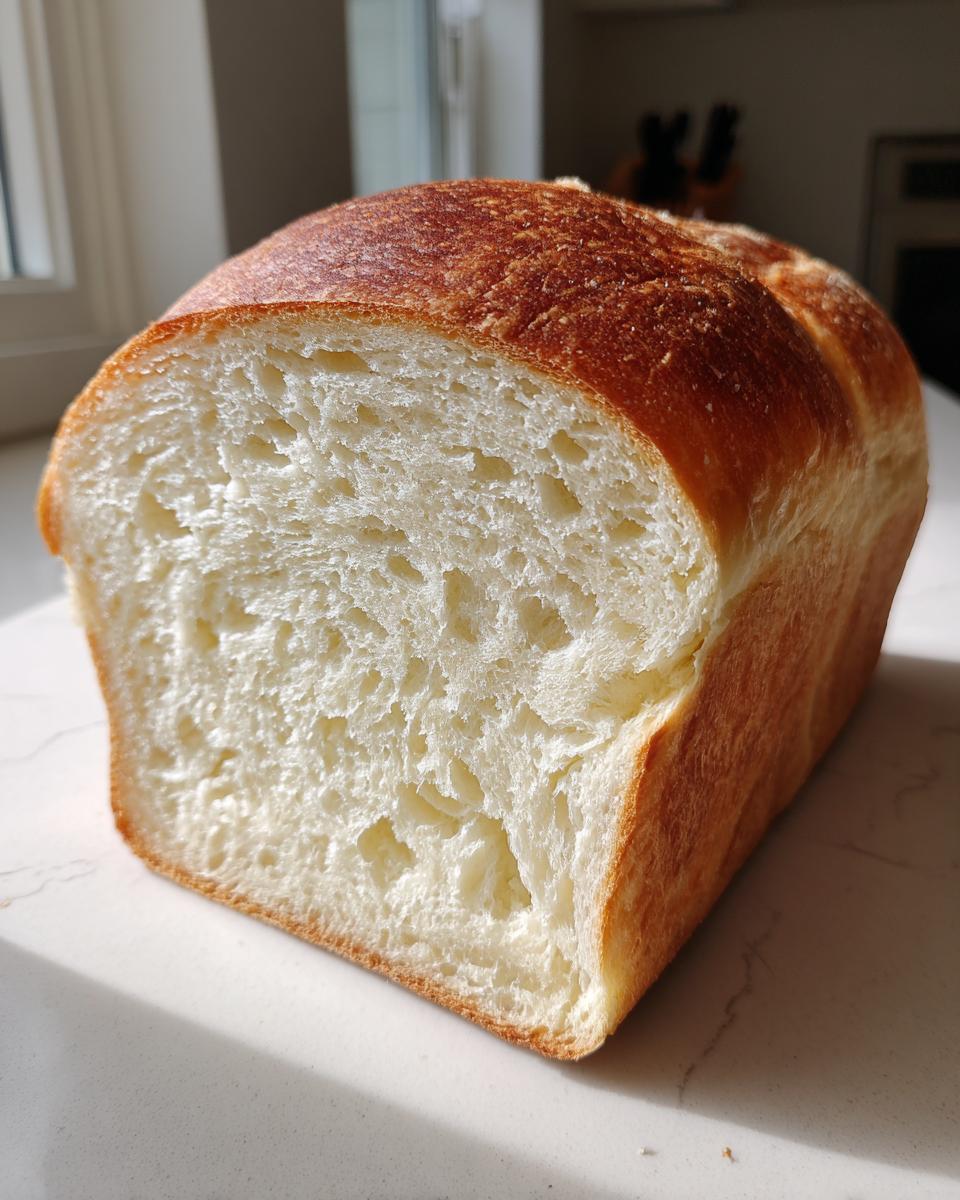
Baking is all about learning from your process, and with sourdough sandwich bread, there are a few tiny hiccups that can send you from fluffy heaven to dense disaster! My biggest early mistake? Rushing the starter, every single time. I remember one batch where I swore my starter was ready—it had a few bubbles—but I baked anyway. The resulting loaf was heavy, and the crumb leaned slightly gummy in the middle. It was okay for toast, but absolutely useless for a proper sandwich!
So, my number one tip for achieving that Best Sourdough Sandwich Recipe result is to wait until your starter is at its absolute peak. You want that float test to be a definite yes, or even better, wait until it shows just the slightest sign of receding. That peak activity is non-negotiable for a good oven spring in a covered pan.
Another thing that trips people up is the shaping, especially since we aren’t using super high hydration. When you shape your log before putting it into the loaf tin, make sure you seal that seam tightly. If the seam bursts while baking, you get a beautiful, wide, flat bread instead of the tall sliceable loaf you want. Pull the dough tight as you roll it so there is high surface tension, and make sure it sits nicely in that greased pan. You’re aiming for a loaf that looks proud and ready to bake even before it hits the oven!
Storage and Reheating Instructions for Homemade Sandwich Bread Sourdough
Okay, you’ve pulled it out of the oven, and it smells absolutely divine—that perfect, subtly tangy aroma of true Homemade Sandwich Bread Sourdough. Now, here’s where patience pays off again! You absolutely must let this loaf cool completely before you even think about slicing it. If you cut into it warm, all that beautiful, airy structure relaxes, and you end up with the gummy texture we spent hours trying to avoid. Seriously, walk away for at least two hours.
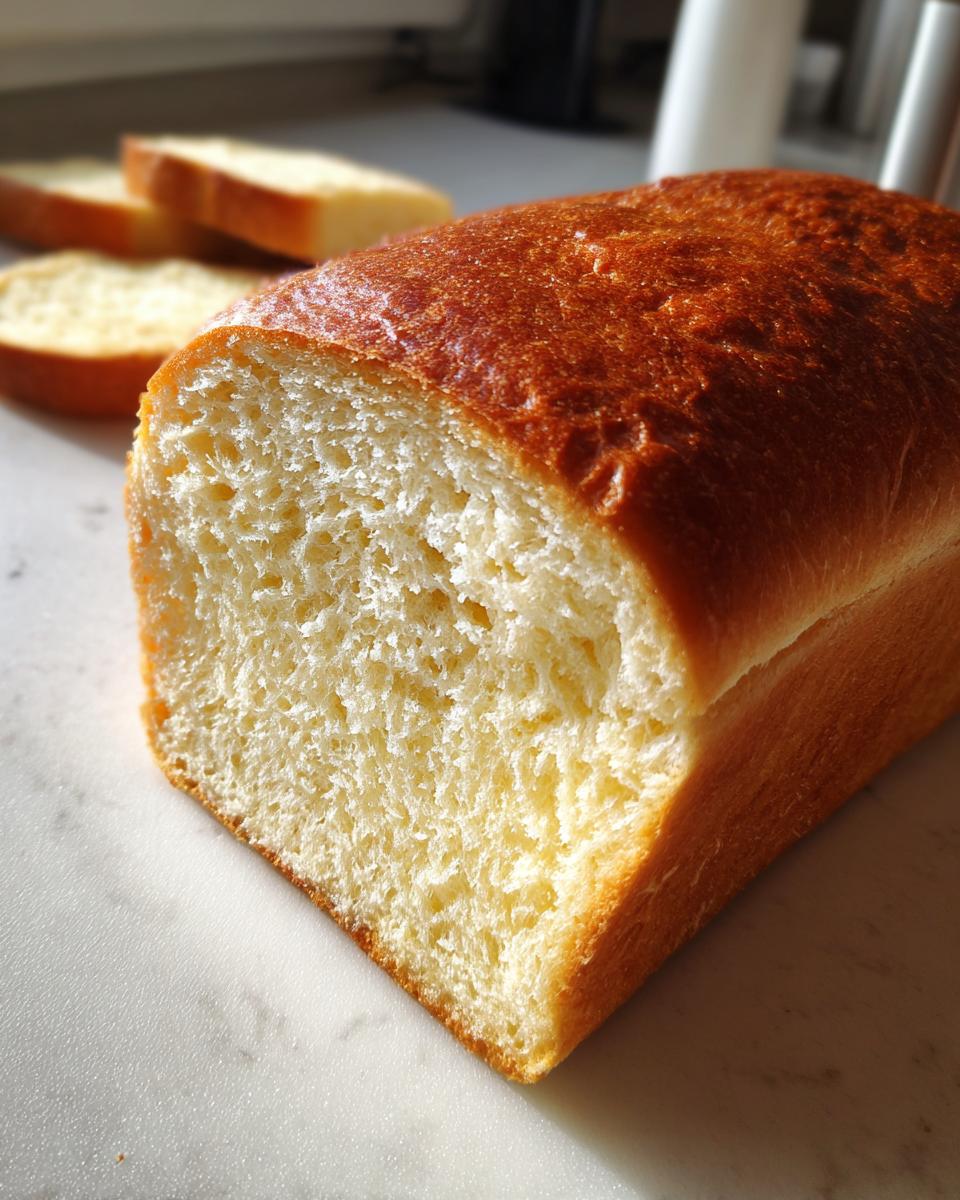
Once it’s totally cool, how do we keep that soft, fluffy texture? You want to skip the plastic bag, folks; plastic traps moisture right against the crust and makes it soggy quickly. I find the best method for maintaining that soft crumb in sourdough sandwich bread is to wrap the loaf tightly in parchment paper first, and then put that wrapped loaf into a clean, sealed plastic bag or an airtight container once it’s been exposed to air for an hour or so. This keeps the outside crust from hardening too much while keeping the interior pillowy.
This loaf stays remarkably fresh for about three days on the counter this way. But let’s be honest, sometimes we bake a loaf and life gets in the way! If you know you won’t finish it in three days, slice it up immediately after cooling and pop those slices into a freezer bag. Frozen sliced sourdough is a lifesaver!
When you want a slice, you don’t have to thaw the whole thing. For the best Sourdough Bread for Toasting experience, just pull a frozen slice and pop it straight into the toaster. It heats through perfectly without drying out. If you are making French toast—and oh my goodness, this bread makes the best French toast—just stack a few frozen slices on a plate and microwave them for about 30 seconds until they are thawed and slightly soft. Then, dip and fry!
If your loaf has gone a little stale (which happens—we all get busy!) but you are determined to use it for sandwiches, you can revive it! Wrap the whole loaf loosely in foil, sprinkle a tiny bit of water on the crust, and bake it at 350°F (175°C) for about 10 minutes. It won’t be exactly like the day it came out, but it gets you close enough for a good grilled cheese!
Making Your Sourdough Sandwich Bread Gut Healthy Sourdough Bread
Part of the joy I found returning to true, honest cooking was embracing the traditional, slow methods. And when we talk about digestive health (which is huge for me!), that means we need to talk about time. This recipe is perfectly fine as a quicker bake, but if you’re looking for next-level Gut Healthy Sourdough Bread, we need to get patient with that bulk fermentation.
The magic happens during the long, slow breakdown of the starches, which is what makes Long Fermented Sandwich Bread easier on your system. If you have the time—and I highly recommend you give this a try next weekend—take those instructions from Step 4 (Bulk Ferment) and push them way out. Instead of 4 to 8 hours at room temperature, you’re going to let it sit in the fridge overnight. I’m talking 12 to even 18 hours, depending on how cold your fridge is!
When the dough is colder, those wild yeasts and bacteria work much more slowly, transforming the texture and the complex starches found in the flour. The result is a bread that has a deeper, more nuanced flavor—less sharp tang and more mellow, earthy notes. Plus, the longer the fermentation, the more the phytic acid breaks down, which helps your body absorb the nutrients in the dough better. It’s a win-win!
Just remember the trade-off: a long, cold proof means you need to handle the dough even more carefully when you take it out to shape it! It will be jiggly and cold. Be gentle shaping it into that log, and then you’ll let it warm up just enough for the final proof in the pan before baking. It’s worth the extra planning, trust me. If you want to see how another incredible baker approaches this soft loaf style, check out the tips over at Muscle Momma Sourdough.
Serving Suggestions for Your Perfect Sourdough Loaf
Once you have this gorgeous, uniform, and impossibly soft loaf cooling on the rack, the possibilities open up! This isn’t just bread; it’s the delivery vehicle for all your favorite comforting meals. Because the crumb is so delicate and buttery, it shines in simple applications where structure isn’t the only goal.
The first thing you have to do—and I mean immediately after it cools—is make a few slices for the ultimate transformation: French toast. Because this sourdough sandwich bread has that slight tang and a built-in softness, it soaks up the custard mixture beautifully without dissolving. I like to use whole milk, a splash of vanilla, and maybe a tiny pinch of cardamom, then fry it until golden. It tastes decadent but it started with just simple flour and water!
Of course, it earns its name by being the best bread for a classic sandwich. Think grilled cheese where the bread actually melts perfectly around the edges, or simple lunchtime classics like turkey and cheddar. The mild flavor won’t fight the fillings; it just supports them.
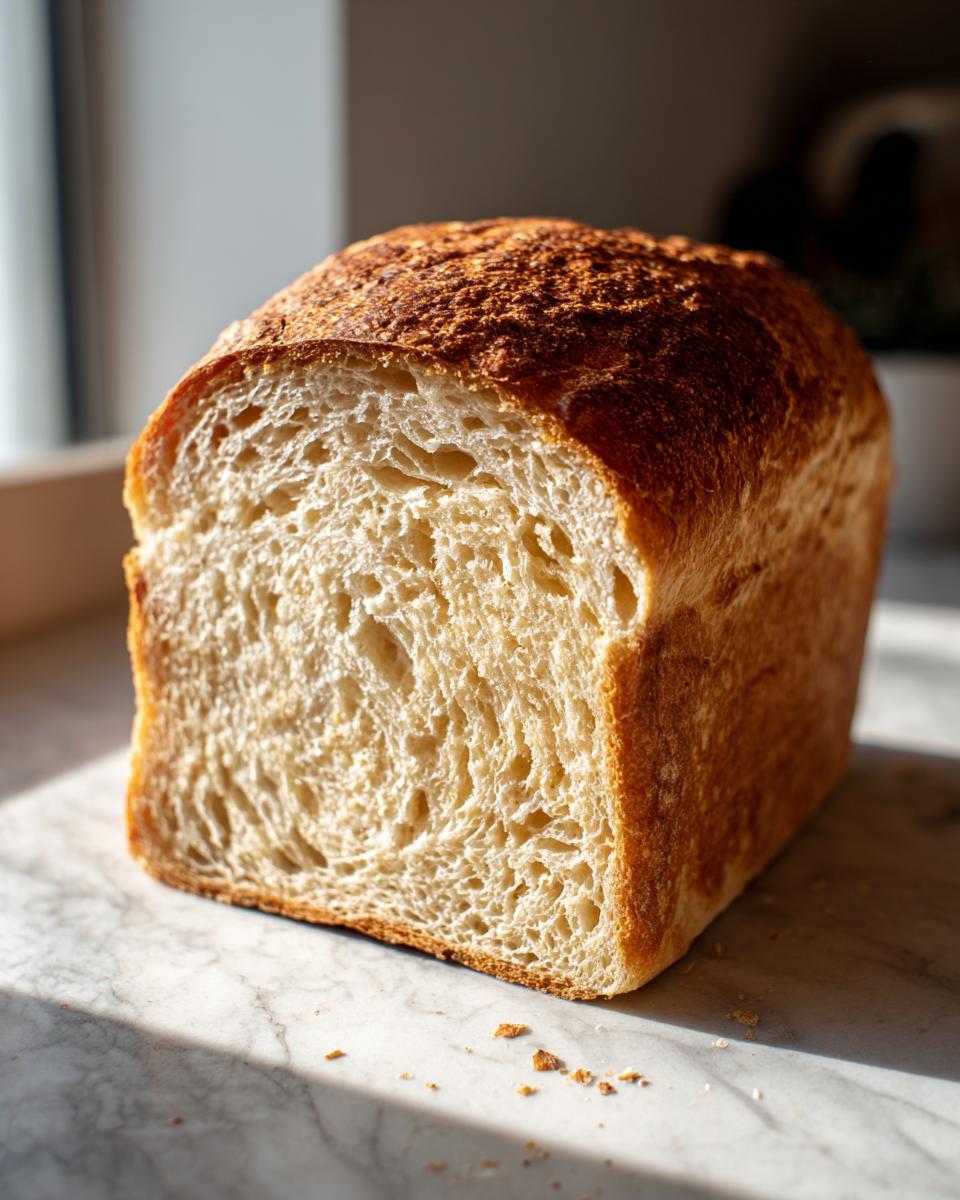
Don’t forget soup season! While rustic sourdough is great for dipping into a chunky stew, this soft loaf is perfect for creamy soups like tomato or butternut squash, where you just want a gentle tear-off piece to mop up the last bit of goodness from the bowl. It’s satisfying without being too heavy.
If you take a picture of your beautiful loaf—and I sure hope you do!—and decide to share it online, please know that we cherish every single tag and mention. We never share your personal information, but if you want to deep-dive into how we protect your data when you interact with our site, you can always check out our Privacy Policy. Happy eating!
Frequently Asked Questions About Sourdough Sandwich Bread
I know when you’re trying a new recipe—especially one aiming for that perfect buttery sourdough crumb—questions pop up even after the baking is done! Don’t sweat it. My goal here at Bring Dish is to make sure your experience results in a fantastic, perfect sourdough loaf, every time. Here are some of the things I hear most often from folks trying this Easy Sourdough Loaf for the first time.
Why is my sourdough sandwich bread dense instead of fluffy?
If your loaf came out dense, it almost always comes down to one of two things: either your starter wasn’t active enough, or you didn’t allow for the full bulk fermentation time. Since we aren’t doing heavy kneading, we rely completely on the starter to develop the structure. If your starter wasn’t quite at its peak when you mixed it in, it just can’t generate enough gas to lift that heavier dough properly. Also, double-check your salt measurement—too much salt can inhibit yeast activity too soon!
Can I use commercial yeast with this recipe to make a Quick Sourdough Sandwich?
That’s a great question, particularly if you’re in a rush! While this recipe is designed as a true sourdough sandwich bread, you absolutely can substitute some of the starter activity with commercial yeast if you need it faster. I would recommend keeping your 150g of starter for the flavor, but replacing the remaining starter amount with regular active dry yeast. You’ll dramatically cut down that 4-to-8-hour bulk ferment time to maybe just an hour or two! Just remember, the flavor profile will shift a bit away from that classic *gut healthy* taste.
What pan size is best for this recipe?
The measurements I’ve provided—500g of flour and the liquids—are exactly calibrated for a standard 9×5 inch loaf pan. This size helps give the dough enough vertical support during the bake to achieve that nice, tall rise. While you *can* use a slightly smaller 8.5×4.5 inch pan, you would need to add about 15-20 minutes to the total baking time, as the dough will be deeper. I wouldn’t recommend going larger though, as the dough might spread out too much and lose that classic sandwich shape we want for a sliceable sourdough loaf.
Troubleshooting Common Issues
The most common issue I see crop up when folks bake in a greased pan is **the dough sticking when they try to unmold it**. This happens! Since this is a softer dough, it can cling to the sides. The absolute best fix is preventive: make sure you generously grease your 9×5 pan and then dust it thoroughly with cornmeal or rice flour instead of plain wheat flour. The larger particles of cornmeal/rice flour act like tiny, non-stick ball bearings under the dough. If this still happens, let the loaf cool in the pan for just 5 minutes before attempting to flip it out onto the cooling rack. Any longer and the steam softens the crust too much, making it stickier!
Share Your Homemade Sandwich Bread Sourdough Creations
I truly feel such a connection to you all when you successfully bake one of these recipes. Did this help you make a fantastic, soft sourdough sandwich bread? Please leave a rating below—it helps other beginners find the confidence to try! If you made a stunning loaf, I’d love to see it! You can tag us online. If you want to see the rules on how we manage our site and your shared comments, feel free to review our Terms of Use. Happy baking, friends!
Share Your Homemade Sandwich Bread Sourdough Creations
I truly feel such a connection to you all when you successfully bake one of these recipes. Did this help you make a fantastic, soft sourdough sandwich bread? Please leave a rating below—it helps other beginners find the confidence to try! If you made a stunning loaf, I’d love to see it! You can tag us online. If you want to see the rules on how we manage our site and your shared comments, feel free to review our Terms of Use. Happy baking, friends!
PrintSoft Sourdough Sandwich Bread Loaf for Beginners
This recipe delivers a soft, fluffy, and sliceable sourdough sandwich bread, perfect for picky eaters, toasting, or French toast. It uses straightforward steps to achieve a buttery crumb that rivals store-bought bread.
- Prep Time: 30 min
- Cook Time: 45 min
- Total Time: 5 hours 45 min
- Yield: 1 loaf 1x
- Category: Baking
- Method: No Knead
- Cuisine: American
- Diet: Vegetarian
Ingredients
- 150g active sourdough starter
- 325g warm filtered water
- 20g avocado oil
- 25g honey
- 500g unbleached bread flour
- 10g salt
Instructions
- Combine the starter, warm water, avocado oil, and honey in a bowl. Mix until the liquid looks milky.
- Add the bread flour and salt to the wet ingredients. Mix until just combined into a shaggy dough. Cover the bowl and let it rest for 1 hour.
- Perform four sets of stretch and folds, spaced 30 minutes apart. Gently stretch a portion of the dough up and fold it over itself, repeating for all four sides.
- After the final set of folds, cover the dough and allow it to bulk ferment for 4 to 8 hours, or until it has increased in volume significantly and shows signs of activity.
- Gently shape the dough into a log and place it seam-side down into a greased 9×5 inch loaf pan.
- Cover the pan and allow the dough to proof at room temperature for 1 to 3 hours, or until it has risen about 1 inch above the rim of the pan.
- Preheat your oven to 375°F (190°C).
- Bake the loaf for 35 to 45 minutes, or until the crust is golden brown and the internal temperature reaches 205°F (96°C).
- Remove the bread from the pan immediately after baking and cool completely on a wire rack before slicing.
Notes
- For a gut-healthy sourdough sandwich bread, extend the bulk fermentation time in a cool environment for 12 to 18 hours.
- This recipe works well for making honey wheat sourdough by substituting 100g of the bread flour with whole wheat flour.
- Cool the bread fully before slicing to prevent a gummy texture in the crumb.
Nutrition
- Serving Size: 1 slice
- Calories: 250
- Sugar: 2
- Sodium: 250
- Fat: 3
- Saturated Fat: 0.5
- Unsaturated Fat: 2.5
- Trans Fat: 0
- Carbohydrates: 50
- Fiber: 2
- Protein: 8
- Cholesterol: 0