

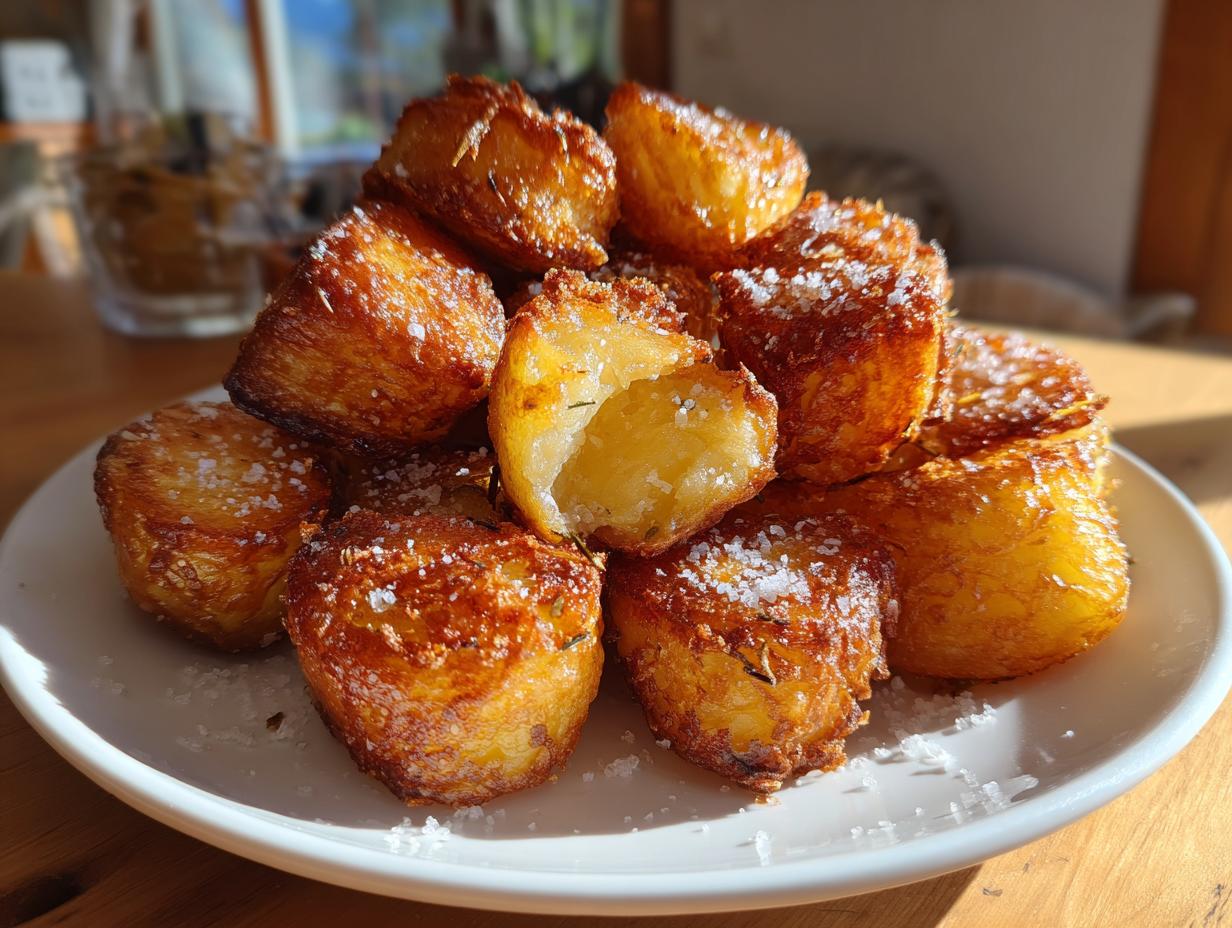
Oh, the tragedy! There is absolutely nothing worse than looking forward to the glorious side of roasted potatoes only to find them pale, heavy, and disappointingly soggy. I remember trying so many things over the years—more oil, less heat, crazy flipping schedules—before I finally clicked with the simple, foundational techniques that guarantee success. My grandmother rarely made huge batches of these, but when she did, they were unforgettable. I’m thrilled to share exactly how we achieve those beautiful, crackling, golden-brown exteriors while keeping the inside unbelievably fluffy every single time we make our roast potatoes. Forget the failures; we’re aiming for true comfort food perfection here!
- Why You Will Make These Garlic Rosemary Roast Potatoes Again and Again
- Ingredients for the Best Roast Potatoes Recipe
- The Perfect Roast Potatoes Technique: Step-by-Step Instructions
- Tips for Success with Crispy Roast Potatoes
- Ingredient Notes and Substitutions for Roast Potatoes
- Serving Suggestions for Your Garlic Rosemary Roast Potatoes
- Storage and Reheating Instructions for Leftover Roast Potatoes
- Frequently Asked Questions About Perfect Roast Potatoes
- Estimated Nutritional Data for Garlic Rosemary Roast Potatoes
- Share Your Crispy Roast Potatoes Success
Why You Will Make These Garlic Rosemary Roast Potatoes Again and Again
Seriously, once you nail this method, you’ll wonder why you ever settled for anything less. I’m talking about an actual *crunch* when you bite in, not just a slight crisp. These potatoes deliver on flavor and texture every time, which is why they keep coming back to my table for everything from Sunday dinner to the big holiday spreads.
- You get guaranteed **crispy roast potatoes** with that signature shatteringly crisp exterior. No more soggy excuses!
- The inside is unbelievably light and fluffy, thanks to a little trick we use during the boil. It’s pure comfort.
- We infuse them with fresh rosemary and garlic; the aroma while they roast is just incredible. It takes a simple side dish and makes it impressive.
- It’s an incredibly **easy roast potato side dish** once you know the two key techniques—parboiling and super-hot fat.
- We use basic ingredients, so this isn’t a recipe that requires tracking down specialty items. Your pantry staples go a long way here.
- Plus, this version is highly adaptable! If you want to try adding Parmesan later, you can! Check out my favorite crispy breakfast potatoes for another way to use crunchy spuds.
Ingredients for the Best Roast Potatoes Recipe
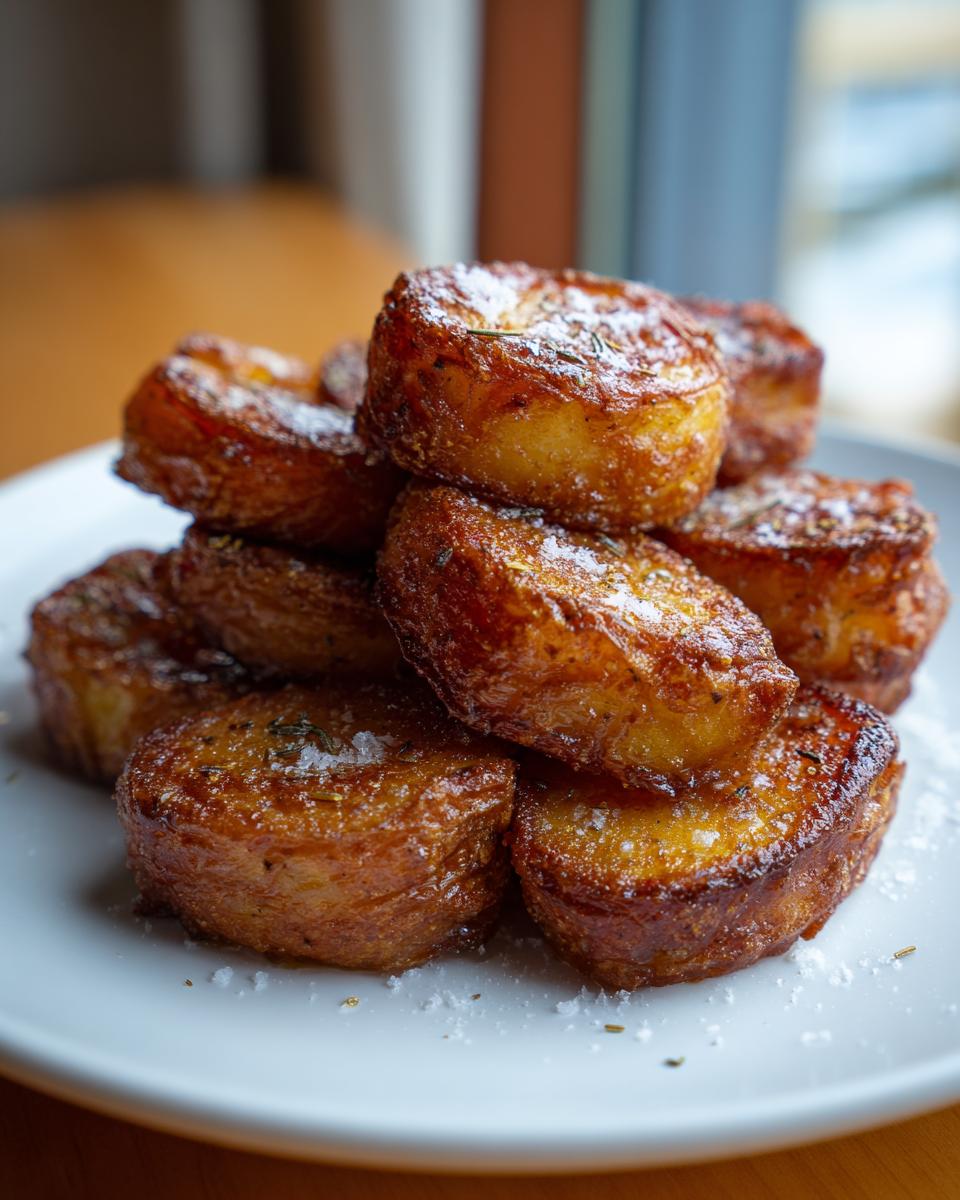
Like my grandmother always taught me, nailing a recipe starts with respecting what goes into the bowl—or in this case, the roasting pan! For these roast potatoes to achieve that perfect crust and soft center, having the right spuds and the right aromatics is everything. Don’t even think about substituting the coarse salt for fine salt here; we need texture! Here’s exactly what you’ll pull out of your pantry for this batch:
- 3 lbs Russet or Yukon Gold potatoes, peeled and cut into 1.5-inch chunks
- 1/2 cup vegetable oil or duck fat (duck fat is incredible if you have it!)
- 1 teaspoon baking soda (Don’t skip this, I mean it!)
- 1 tablespoon coarse salt
- 1 teaspoon black pepper
- 4 cloves garlic, smashed
- 3 sprigs fresh rosemary
The Perfect Roast Potatoes Technique: Step-by-Step Instructions
Okay, this is where the magic happens! If you follow these steps exactly, you’re ditching soggy potatoes for good. This whole process is about creating texture—we need that starchy coating on the outside so the heat can work its wonderful alchemy. It’s a little involved, but trust me, the result is worth every minute for truly spectacular **roast potatoes**.
Preparation and Parboiling for Fluffy Inside Roast Potatoes
First thing: get that oven screaming hot at 425°F (220°C). While it heats up, put your cut potatoes into a good-sized pot and cover them with cold water. Now, here’s where a lot of folks miss out: add that teaspoon of baking soda and a pinch of salt. Boiling the potatoes this way, with the soda, is what breaks down the outside starches just enough. When you drain them, those slightly softened edges are what turn into that amazing crust we are chasing!
Achieving Maximum Surface Area: Roughing Up Your Roast Potatoes
This is the moment where you transform dinner. Drain those potatoes really well in a colander. Don’t let them sit! Then, you need to shake the colander gently but firmly for about 30 seconds. You should see white, starchy fluff start coating the potatoes. That starchy dust is your secret weapon for a **crunchy potatoes recipe**. It’s literally what makes the crust.
The Hot Fat Method for Golden Brown Roast Potatoes
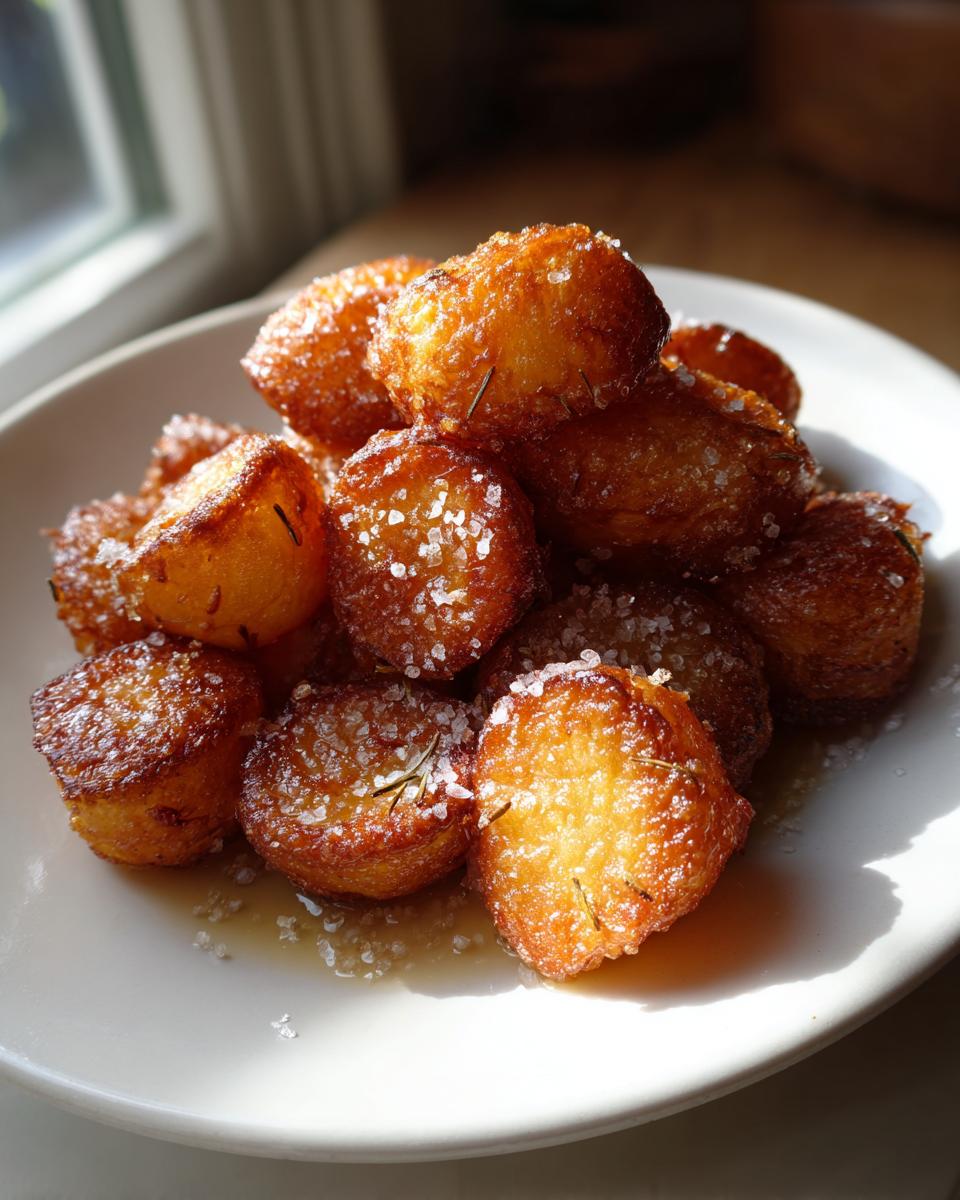
This step requires total focus! Put your roasting pan right into that hot oven for about ten minutes to get the oil or duck fat ripping hot—we want it shimmering, almost smoking a little. Safety first! Carefully, using tongs or an oven mitt, place your roughed-up potatoes into that fat. Listen for that satisfying sizzle! Don’t crowd the pan; they need space to fry, not steam. You can read more about the magic behind this hot fat technique here, but the main thing is heat!
Final Roasting and Flavor Infusion
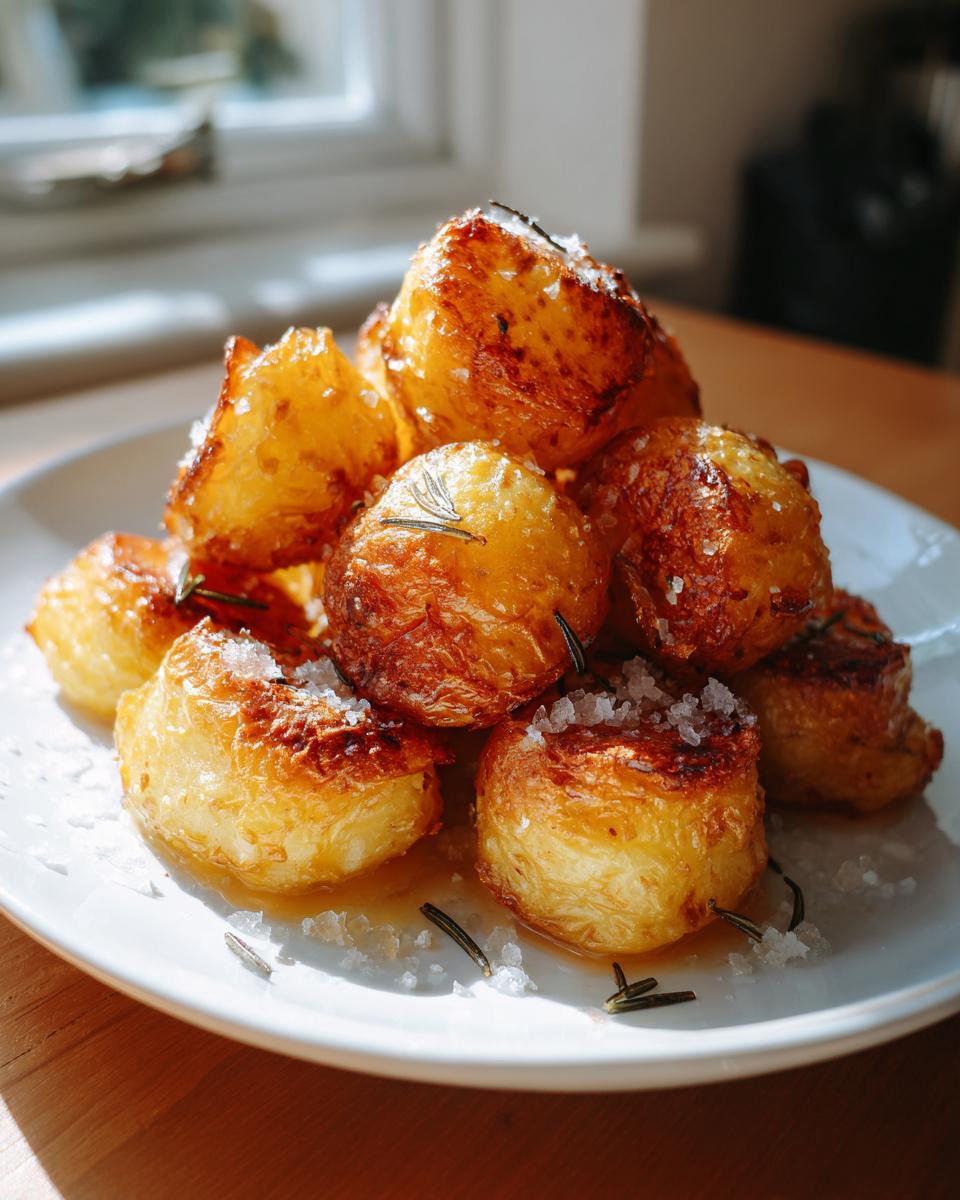
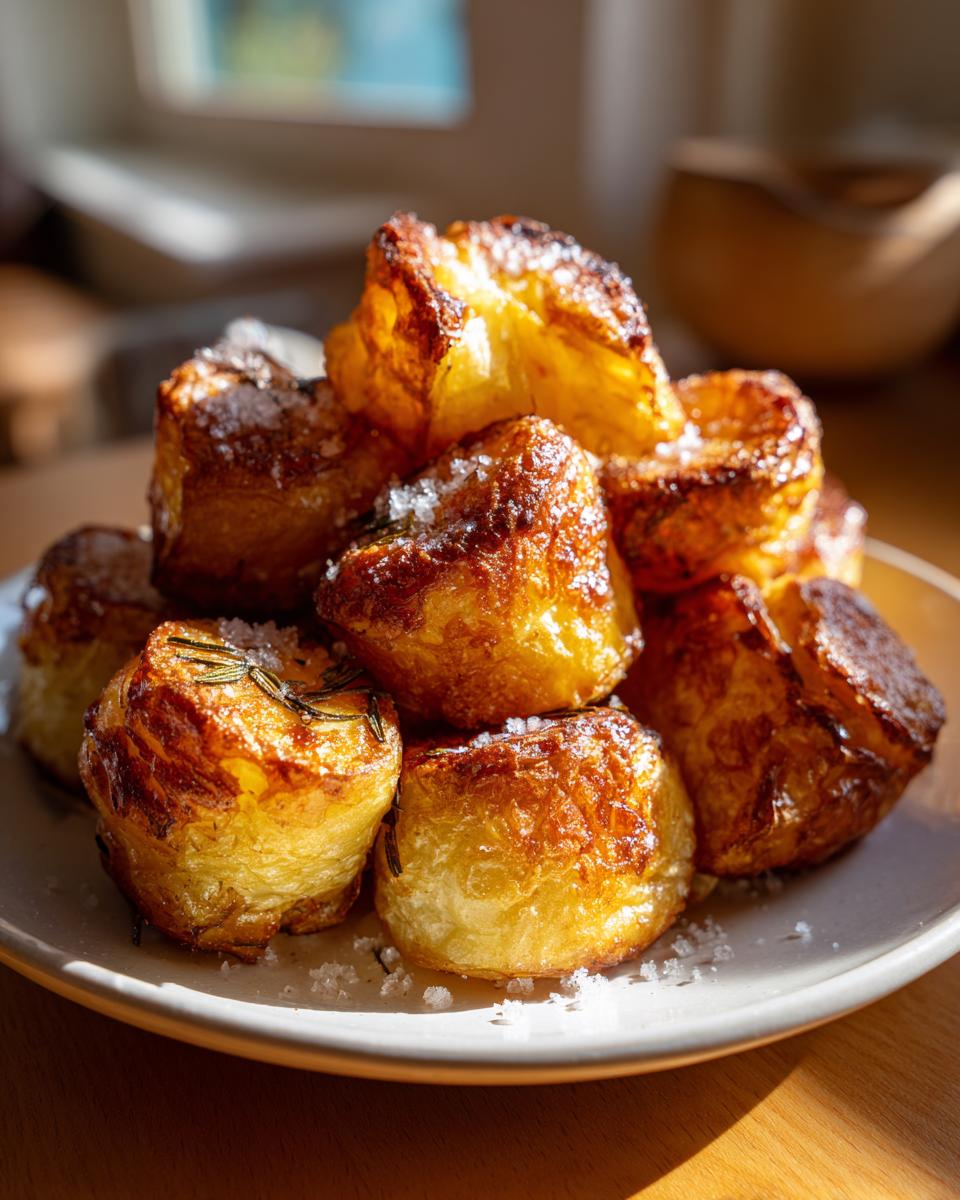
Roast them uncovered for 30 minutes at this point. Then, pull them out—carefully!—toss in your smashed garlic and rosemary sprigs, and get them seasoned with the coarse salt and pepper. Give them a good flip so every surface gets a chance to brown up. Back in the oven they go for another 25 to 35 minutes. Keep turning them every 15 minutes until they are deep golden brown and look utterly irresistible. These are going to be the best **golden brown roast potatoes** you’ve ever served, I promise! For more great tips on crispy sides, check out the brilliance over at Cooking Circuit.
Tips for Success with Crispy Roast Potatoes
I’ve compiled a few little nuggets of wisdom from years of trial and error—and from reading what the real spud experts recommend—to make sure you master the **perfect roast potatoes technique**. You see, getting that exterior crunch and that steamy interior is all about controlling the environment around that potato chunk. It’s not rocket science, but you do have to respect the science of the starch!
First off, let’s talk about the spud itself. My absolute favorite for this job is Russet because of that high starch content; it dissolves beautifully outside the potato when we boil it. Yukon Gold is a fantastic runner-up if you prefer a slightly waxy bite, but Russets give you that superior fluff inside. If you check out the method described over at Mama Chef Strawberry, they echo this sentiment—the right potato choice is half the battle won!
Next, we absolutely cannot overcrowd the pan. I cannot stress this enough! If your potatoes are touching after you toss them in the hot fat, they essentially steam each other. Steamed potatoes equal sad, limp potatoes. You need space between every single chunk so the hot oil can circulate around them and get them properly browned. Better to use two pans than smash them all into one just because it’s easier on cleanup.
Finally, the fat! Using oil works great, but if you want the absolute best flavor and crisp factor, duck fat is king. It has a higher smoke point and just adds this incredible richness that complements the garlic and rosemary so beautifully. If you’re worried about sticking, remember that technique we used for the cake pans? A little homemade cake goop brushed on the pan *before* adding the hot oil can offer insurance, though usually, if your fat is hot enough, they won’t stick!
Ingredient Notes and Substitutions for Roast Potatoes
Even though I stress following the recipe exactly, I know sometimes we have to work with what we have! Let’s talk substitutions for these amazing **roast potatoes**. The fat is the biggest variable. If you don’t have duck fat—and honestly, who always has that lying around?—vegetable oil works just fine. It gets hot enough to do the job, though it lacks that deep, savory background flavor duck fat brings. Just make sure whatever oil you use is a neutral one so the rosemary and garlic can shine!
Now, for my favorite optional add-in! If you want to turn these into cheesy heaven, you absolutely must try adding Parmesan. I suggest grating it fresh, of course. You toss it in right near the end—we’re talking the last 10 minutes of roasting. If you add it too early, it tends to burn before the potatoes are fully done. Head over here to see a brilliant example of how Parmesan transforms the dish: Irresistibly Crunchy Parmesan Roast Potatoes. It’s fantastic for impressing guests!
Serving Suggestions for Your Garlic Rosemary Roast Potatoes
These flavorful spuds are so good they could honestly stand alone, but they truly shine next to a big main course. If you are planning for the holidays, these are infinitely better than those pale, sad potatoes you sometimes get at big feasts. They pair perfectly with a gorgeous roast chicken or a slow-cooked pot roast.
If you’re leaning towards something cozier for a weeknight, these are the perfect upgrade to a plate of classic bangers and mash—just swap your typical mashed potatoes for these crispy beauties! And if you’re making something lighter, they are surprisingly delicious alongside something zesty like my chicken rice bowl. Honestly, they go with everything savory!
Storage and Reheating Instructions for Leftover Roast Potatoes
I know, I know, these Garlic Rosemary Roast Potatoes are so good there are usually none left! But if you do manage to save some of these beautiful **roast potatoes**, you have to handle them right so they don’t turn into sad, floppy things later. Don’t even think about grabbing the microwave—that’s just instant steam city!
Store any leftovers in a single layer inside an airtight container in the fridge for up to three days. When you’re ready for round two, toss them straight onto a baking sheet and reheat them in a hot oven (around 400°F) for about 10 minutes. This brings back that glorious crunch we worked so hard for!
Frequently Asked Questions About Perfect Roast Potatoes
I always get so many questions when people try this recipe because they want to make sure they get that unbelievable crunch. Honestly, mastering the **perfect roast potatoes technique** is all about managing moisture and heat. Here are the top things I hear people asking about when they try to elevate their side dish game!
Can I use different potatoes than Russet or Yukon Gold?
You certainly can, but you might notice a difference in the fluffiness! Russets are high in starch, which is what gives us that amazing contrast between the crust and the soft center. If you use waxy potatoes, like red bliss, they tend to hold their shape better but don’t break down enough during the boil to create that essential starchy coating everyone loves in a **crispy roast potato**.
How do I prevent my roast potatoes from sticking to the pan?
Sticking happens when the fat isn’t hot enough or if you’ve overcrowded the pan. Rule number one for **golden brown roast potatoes** is that hot fat! You have to let your oil or duck fat get shimmering hot in the preheated oven before you drop the potatoes in. If you hear a loud *sizzle*, you’re good. If you hear silence, the fat isn’t ready, and you risk them sticking because they start to simmer instead of fry. For more expert thoughts on preventing sticking, I always recommend checking out the tips from folks like the team at Cooks Finder.
Can I make these ahead of time?
Yes, you can certainly parboil them ahead! Cook them for the 8 minutes, drain them, shake them up to rough up those edges, and then let them cool completely. You can store them in the fridge for up to a day. When you are ready to cook, just follow the recipe starting at step four—heating that fat until it’s shimmering hot before adding those cold potatoes. They might need an extra 5-10 minutes of roasting time in the oven.
Why do I have to add baking soda when I boil them?
This is a major secret for getting **fluffy inside roast potatoes**! Baking soda is alkaline, and using it in the water slightly raises the pH level. This helps break down the pectin in the outer layer of the potato faster than just boiling in plain water. It makes that outer layer break down and turn into that lovely starchy slurry when you shake them, which is crucial for crispiness! For more on this, Serious Eats breaks down the science beautifully here.
Are these potatoes good for Thanksgiving?
Absolutely! These are probably the best **Thanksgiving side dishes potatoes** you could hope for because they are hearty, flavorful, and they hold their heat well on a buffet table compared to mashed potatoes that can deflate. If you haven’t tried them yet, you must! Check out some other great takes on home cooking inspiration at Alright With Me for even more ideas.
Estimated Nutritional Data for Garlic Rosemary Roast Potatoes
Now, I know when we’re making comfort food this rich and delicious, we aren’t usually counting calories, but I feel like it’s important to be transparent about what we are sitting down to eat! My goal with Bring Dish is always to give you the full picture, especially when we’re talking about an **easy roast potato side dish** that can easily become the star of the show.
The following nutritional estimates are based on the recipe ingredients listed above and divided across six servings. Please remember this is just a guideline, especially since the size of your potatoes can vary wildly, and whether you use vegetable oil versus rich duck fat makes a huge difference!
- Serving Size: 1 serving
- Calories: 350
- Sugar: 1g
- Sodium: 450mg
- Fat: 18g
- Saturated Fat: 3g
- Unsaturated Fat: 15g
- Trans Fat: 0g
- Carbohydrates: 45g
- Fiber: 4g
- Protein: 5g
- Cholesterol: 0mg
Enjoy these glorious additions to your dinner table, and please don’t let numbers stop you from enjoying truly perfect **roasted potatoes**!
Share Your Crispy Roast Potatoes Success
Okay, now that you have made the best, crunchiest, most fragrant **roast potatoes** known to man, I absolutely need to hear about it! When I’m in the kitchen creating these dishes, I’m thinking about you, the home cook, succeeding, and I love seeing the results when you try something new. Did you manage to get that perfect surface area of starch coating? Did the garlic get nice and caramelized without burning?
Please, tell me everything in the comments below! Are these officially your new favorite **potato side dishes for dinner**? If you managed to pull these off for a big meal—maybe even Thanksgiving!—let me know how they impressed your guests. We are building a community here, and your feedback really helps others gain the confidence to try this technique!
If you snapped a gorgeous photo of your golden stacks, don’t forget to tag me! You can share your masterpiece on Instagram or Facebook and mention Bring Dish. If you have any lingering questions or just want to give feedback directly, you can always reach out through the contact page. Happy cooking, friends!
PrintThe Best Crispy Garlic Rosemary Roast Potatoes
Make roast potatoes with a perfectly crisp exterior and a fluffy interior every time. This simple oven recipe uses garlic and rosemary for maximum flavor, making it the star side dish for any meal.
- Prep Time: 15 min
- Cook Time: 60 min
- Total Time: 75 min
- Yield: 6 servings 1x
- Category: Side Dish
- Method: Oven Roasting
- Cuisine: American
- Diet: Vegetarian
Ingredients
- 3 lbs Russet or Yukon Gold potatoes, peeled and cut into 1.5-inch chunks
- 1/2 cup vegetable oil or duck fat
- 1 teaspoon baking soda
- 1 tablespoon coarse salt
- 1 teaspoon black pepper
- 4 cloves garlic, smashed
- 3 sprigs fresh rosemary
Instructions
- Preheat your oven to 425°F (220°C).
- Place the potato chunks in a large pot and cover with cold water. Add the baking soda and a pinch of salt. Bring the water to a boil and cook for 8 minutes until the edges of the potatoes start to look soft.
- Drain the potatoes completely in a colander. Shake the colander gently to rough up the edges of the potatoes; this creates the starchy coating needed for crispiness.
- Heat the oil or fat in a large, heavy roasting pan in the preheated oven for 10 minutes until shimmering hot.
- Carefully place the roughed-up potatoes into the hot fat, turning them once to coat. Do not overcrowd the pan.
- Roast for 30 minutes.
- Remove the pan from the oven. Add the smashed garlic cloves and rosemary sprigs around the potatoes. Season with the coarse salt and pepper.
- Turn the potatoes using a spatula to expose the uncooked sides.
- Return the pan to the oven and roast for another 25 to 35 minutes, turning every 15 minutes, until the potatoes are deep golden brown and very crispy.
- Remove from the oven and serve immediately.
Notes
- For the crispiest results, use Russet potatoes, as their high starch content helps create a fluffy inside and rough exterior.
- Do not skip the parboiling step with baking soda; this is key to breaking down the starches.
- If you want extra flavor, toss the potatoes with 1/4 cup grated Parmesan cheese during the last 10 minutes of roasting.
Nutrition
- Serving Size: 1 serving
- Calories: 350
- Sugar: 1
- Sodium: 450
- Fat: 18
- Saturated Fat: 3
- Unsaturated Fat: 15
- Trans Fat: 0
- Carbohydrates: 45
- Fiber: 4
- Protein: 5
- Cholesterol: 0