
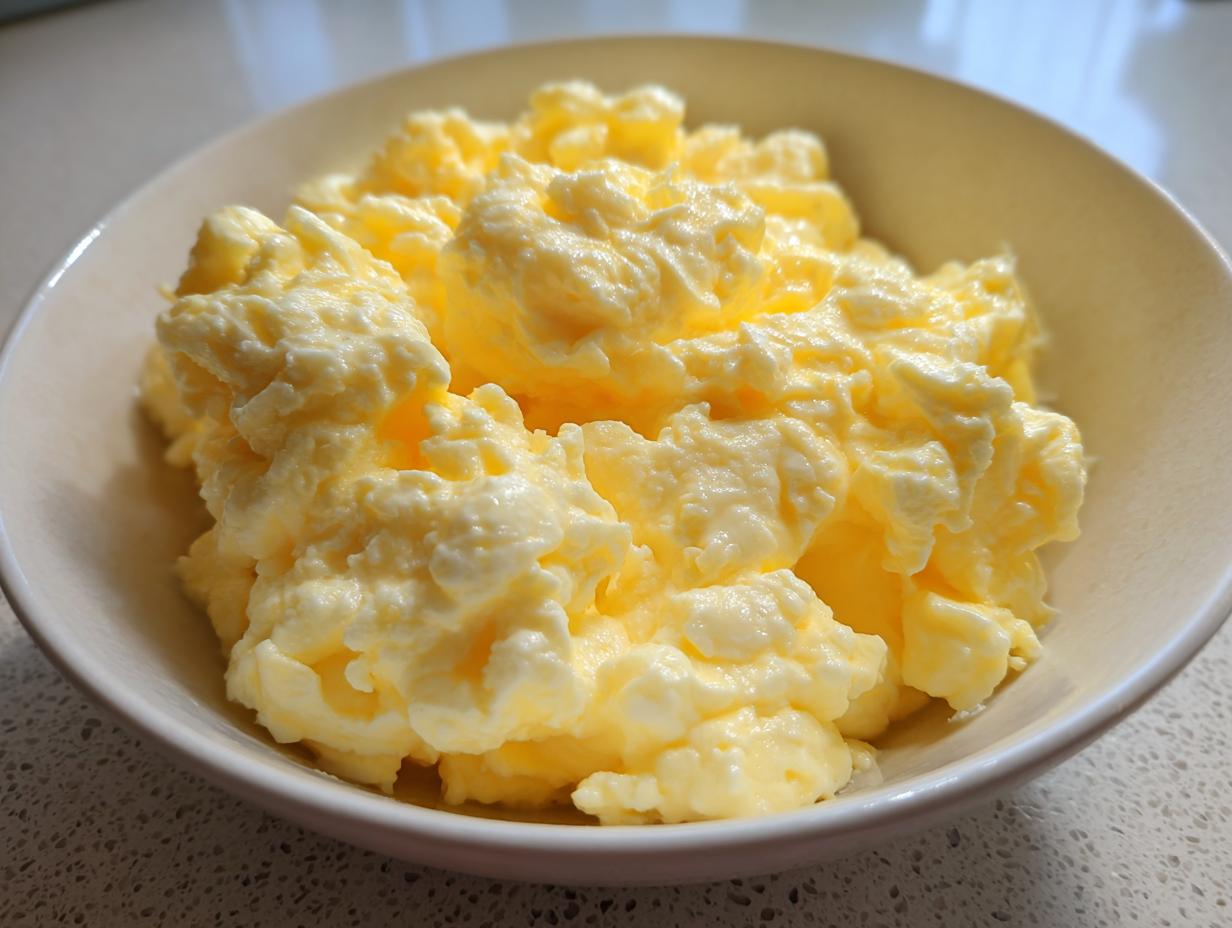
Isn’t breakfast the best meal? Especially when you hit that perfect bite. For years, when I was trapped in the corporate marketing world, my morning routine involved scorched pans and eggs that tasted more like rubber than richness. I knew I deserved better, and honestly, so did my busy mornings! That’s why I invested all my kitchen energy into cracking the code for truly exceptional scrambled eggs. Forget dry, rubbery bits—we’re aiming for restaurant-quality results here. This low-and-slow technique I developed is the secret sauce that transforms eggs from a chore into a genuinely gourmet breakfast, and I can’t wait to share it with you now that I’m dedicating my time to bringing accessible, amazing food to everyone.
- Why This Low-and-Slow Method Creates the Best Scrambled Eggs Recipe
- Gathering Ingredients for Ultra Fluffy Scrambled Eggs
- Step-by-Step Instructions: How to Make Perfect Eggs
- Tips for Success When Making Buttery Scrambled Eggs
- Making Scrambled Eggs a Quick Breakfast Eggs Solution
- Serving Suggestions for Your Gourmet Breakfast Idea
- Storage and Reheating Instructions for Scrambled Eggs
- Frequently Asked Questions About Perfect Scrambled Eggs
- Nutritional Information Estimate for Buttery Scrambled Eggs
- Nutritional Information Estimate for Buttery Scrambled Eggs
Why This Low-and-Slow Method Creates the Best Scrambled Eggs Recipe
If you’ve ever taken a bite of scrambled eggs and felt like you were chewing on a pencil eraser, you know the pain. That terrible toughness comes from cooking eggs too fast! Over high heat, those proteins seize up instantly and squeeze out all the moisture, leaving you with sad, dry little curds. No thanks! My goal when I developed this recipe was to build something truly memorable, which is why I focused everything on texture. This low-and-slow technique is what finally unlocked the secret to the best scrambled eggs recipe—the kind that feels like sweet velvet on your tongue.
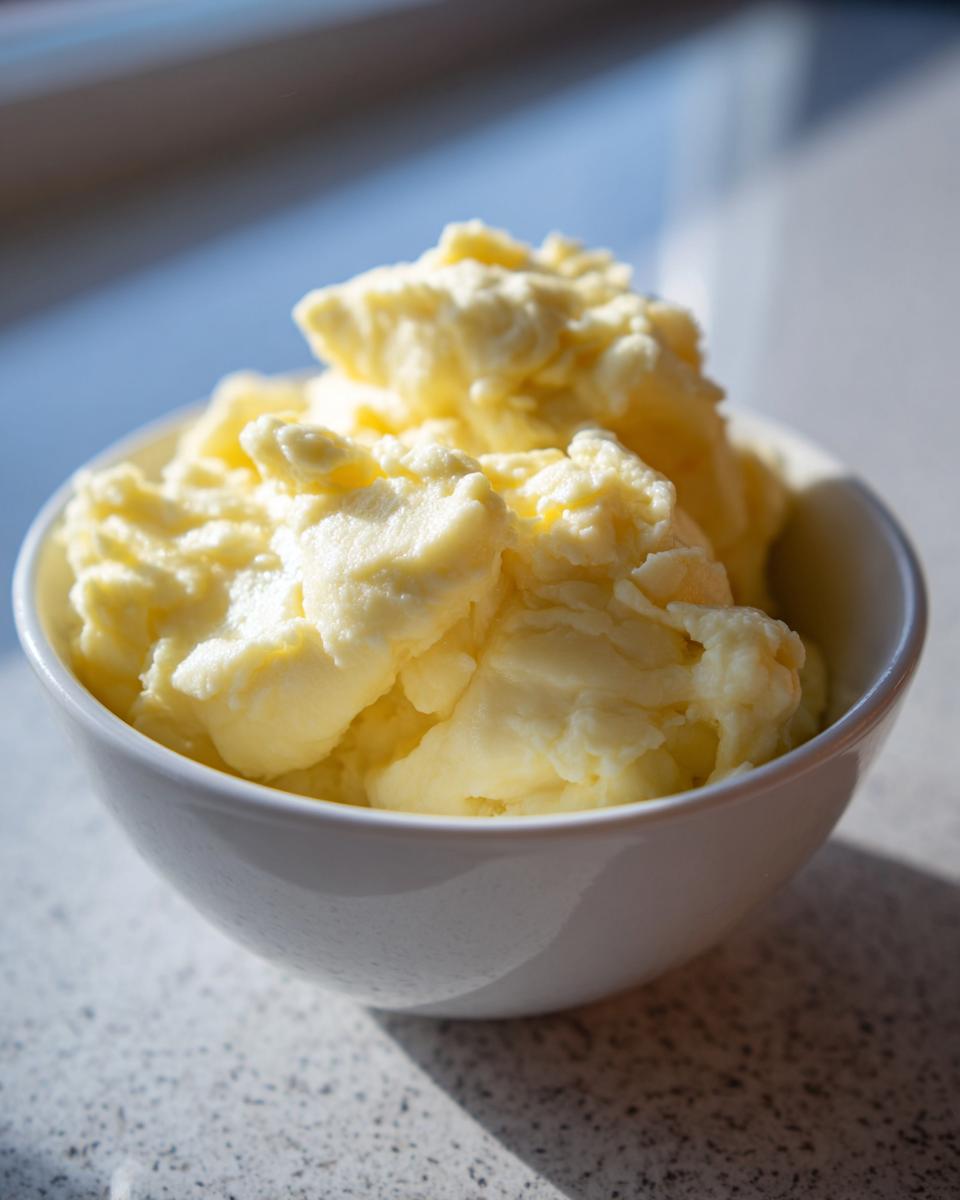
This method requires patience, yes, but it’s mostly passive stirring. You’re allowing the eggs to gently set layer by layer, slowly trapping that richness from the butter and cream inside. I learned so much about patience when I switched from my hectic corporate life to focusing on accessible home cooking, and that lesson applies here perfectly! Trust me, once you see how beautifully these eggs drape onto your plate, you won’t go back to the frantic high-heat scramble ever again!
The Science Behind Creamy Scrambled Eggs Technique
It really just comes down to protein coagulation, but let’s keep it simple. When heat is too high, the egg proteins lock together too aggressively. Think of it like squeezing a sponge as hard as you can—all the water rushes out! By keeping the burner on low, we encourage those proteins to bond politely rather than aggressively. For more on how I approach bringing restaurant quality to everyday meals, check out my story.
Because we keep the temperature down, we’re letting the fat (that gorgeous butter and cream combo!) surround those proteins, insulating them and keeping them pliable. This slow introduction to heat is the main component of the successful creamy scrambled eggs technique you’re about to master.
Gathering Ingredients for Ultra Fluffy Scrambled Eggs
Okay, getting that fluffy texture starts way before the heat even turns on, my friends. You need the right building blocks! Don’t stress; the ingredient list for our amazing scrambled eggs is short, sweet, and focuses on quality where it counts. I use six large eggs because they give me enough volume without overstuffing the pan on low heat.
Here is exactly what you need to pull these together:
- 6 large eggs
- 2 tablespoons heavy cream
- 1 tablespoon unsalted butter
- 1/4 teaspoon fine sea salt
- Pinch of black pepper
See? Super simple! This combination gives you the structure, the richness, and the flavor foundation for what I honestly think is the best way to make eggs.
Ingredient Notes and Substitution Options
Let’s talk dairy for a second. I insist on heavy cream here, not milk. Milk has too much water, and water steams the eggs, which makes them tough! Heavy cream has the necessary fat content to keep things silky smooth and luxurious. If you don’t have cream, half-and-half is a decent second choice.
And yes, this is a fantastic, naturally vegetarian meal, perfect for grabbing when you need a quick, high-protein start to the day. Just make sure your butter is unsalted so you can control the salt level yourself!
Step-by-Step Instructions: How to Make Perfect Eggs
This is where the magic happens, and honestly, this is the difference between eggs that impress and eggs that disappear almost instantly. We need to move slowly here, so set aside about 8 minutes of active cooking time. Keep your expectations high because we are aiming for that glorious, creamy texture we talked about. Remember, the secret to learning how to make perfect eggs isn’t speed; it’s temperature control and movement! Don’t rush these steps, and you’ll be rewarded with the silkiest breakfast you’ve ever made.
Preparing the Egg Base for Soft Scrambled Eggs
First things first—the whisking. Grab your bowl with the eggs and cream. You want to mix these together until they are just uniform. Stop! Don’t pull out the immersion blender! We don’t want foam; we want structure, so whisk just enough to make the yolks and whites combine. I like adding my salt right now, right before they hit the pan. Some folks swear by adding salt right at the end, but incorporating it early helps it dissolve perfectly into the yolks.
Mastering the Low-Heat Cooking for Velvety Eggs Recipe
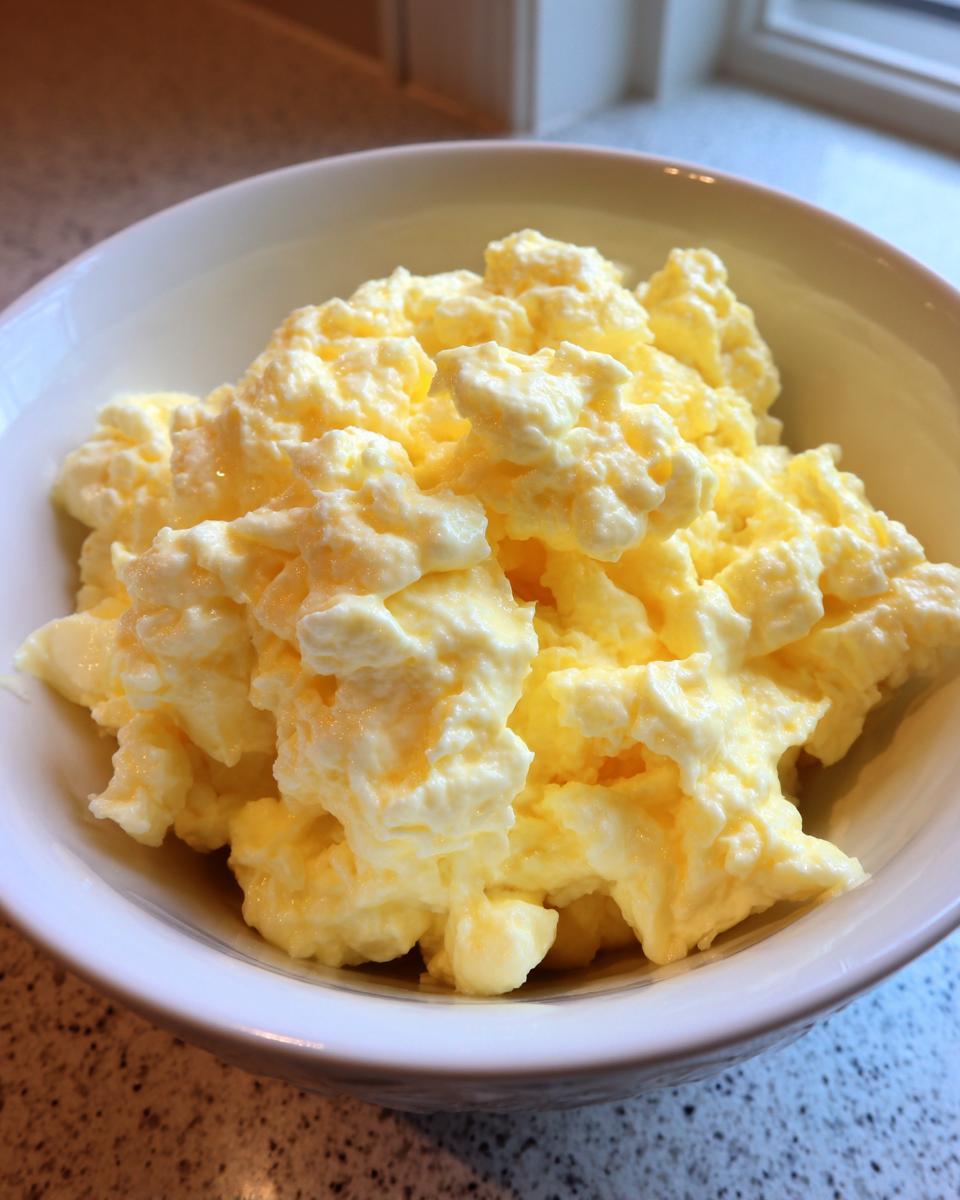
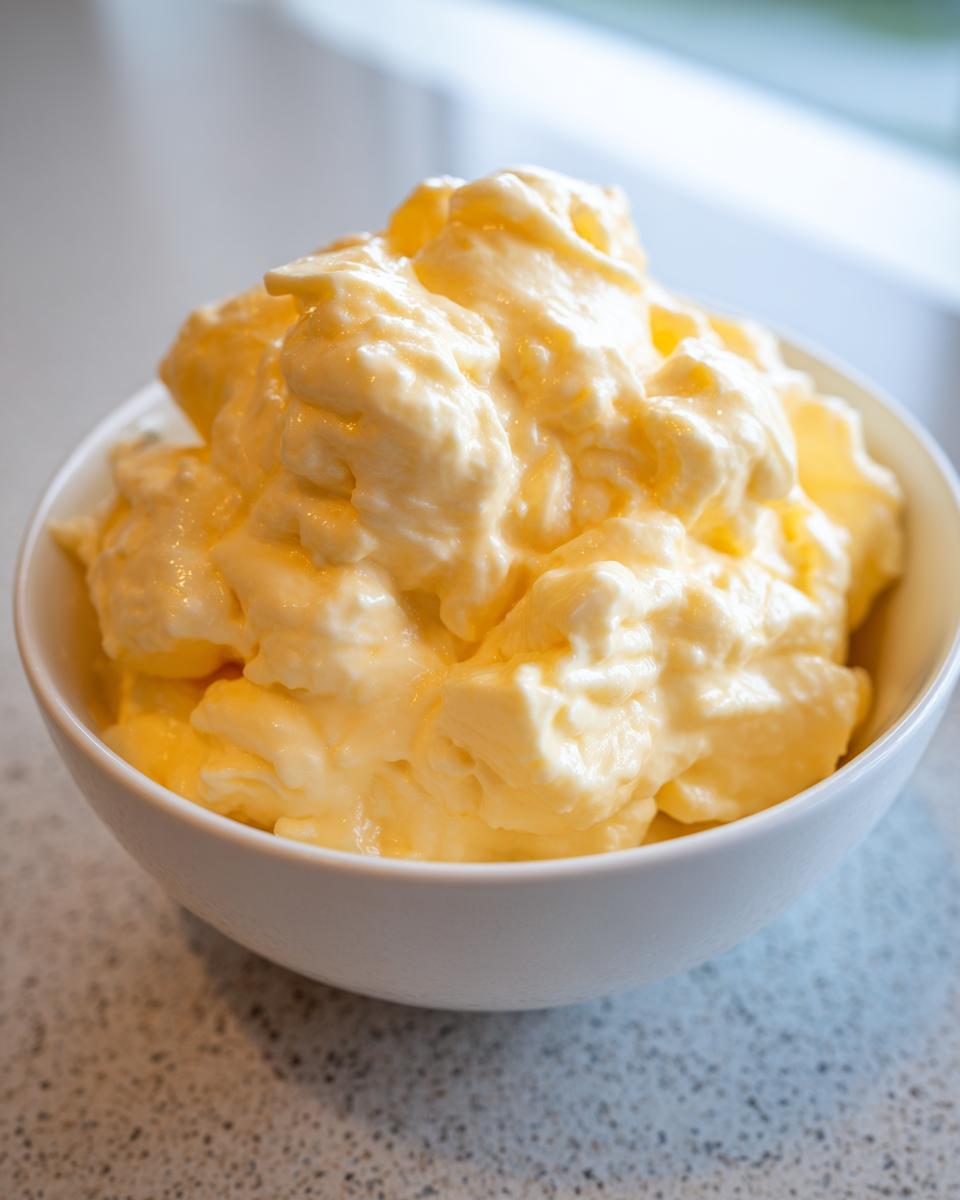
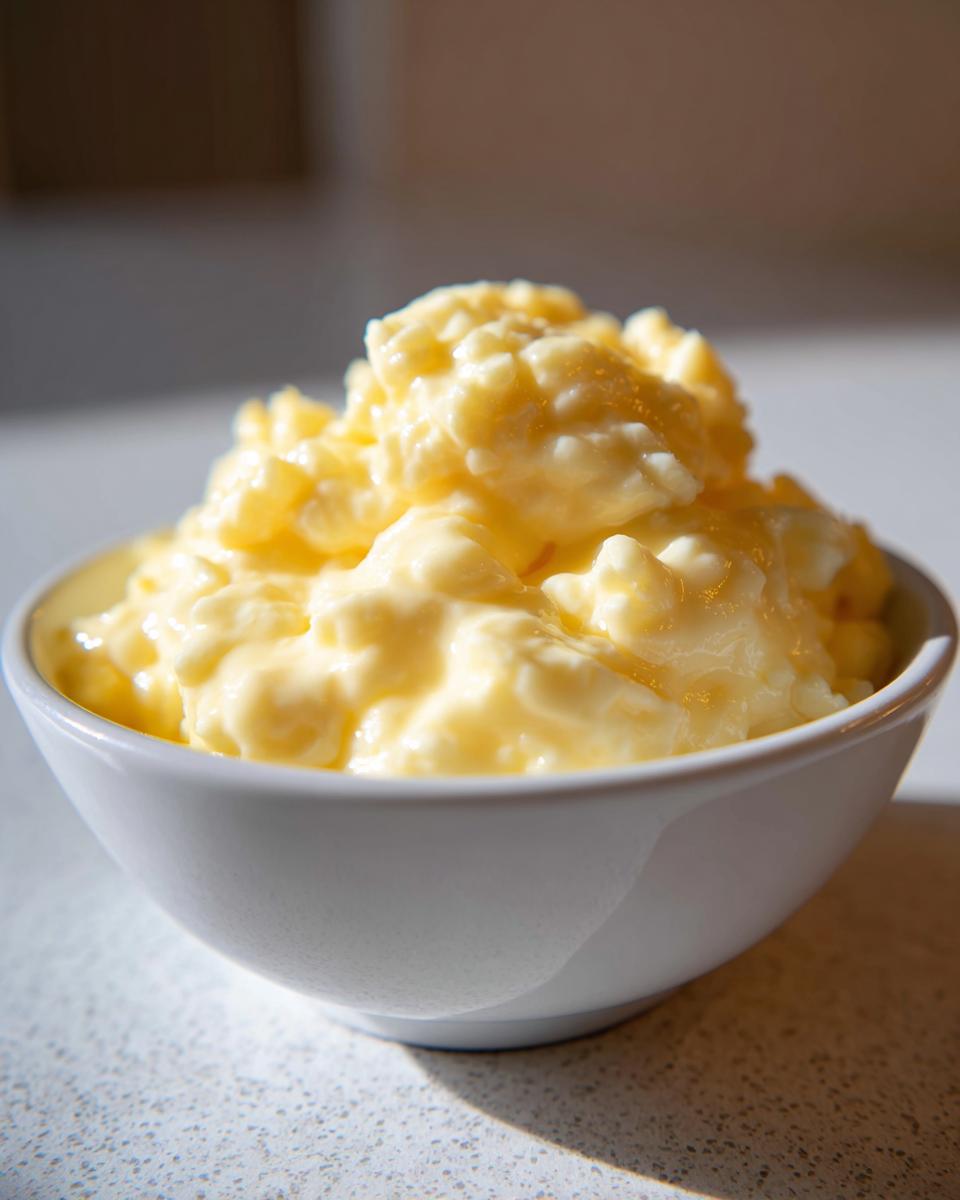
Once your low-heat skillet is waiting with that melted butter, pour in your mixture. Let it sit for just 30 seconds—watch those edges start to turn solid! Then, grab your silicone spatula. Your only job now is to gently push the cooked egg from the edge toward the center, tilting the pan so the runny stuff flows underneath. Don’t stir wildly! We need gentle patience to build those soft curds. This process takes the longest, about 5 to 8 minutes total, but stick with it to lock in that delicate texture for this velvety eggs recipe. When the eggs are still visibly wet and glossy, pull the pan off the heat immediately. Seriously, take it off the burner!
Tips for Success When Making Buttery Scrambled Eggs
I’ve got a few non-negotiable rules that turned my mediocre eggs into the silky dream I share with you today. First and foremost: you absolutely MUST use a great non-stick pan. Seriously, this isn’t the place to break out your cast iron unless it’s perfectly seasoned, because those little cooked bits will snag and drag, ruining the smooth texture. We want everything to slide beautifully!
Next up, the serving moment. These eggs continue cooking even after they leave the pan, which is why we pull them when they look slightly underdone. That residual heat cooks them to perfection on the plate. Don’t even try to save them for later! Leftovers are fine, but true perfection is achieved when you eat these rich, buttery scrambled eggs the second they’re done. If you’re worried about your pan sticking or want to review my general commitment to making cooking easier, you can check out my site policies, but mostly, just trust the low heat!
Making Scrambled Eggs a Quick Breakfast Eggs Solution
I know what you’re thinking: Maya, I need dinner on the table *before* the sun sets! That’s the reality of busy mornings, right? When I was marketing full-time, I needed meals that delivered big flavor without consuming my entire morning routine. The good news is that while this low-and-slow technique requires patience on the stove, the hands-on time is incredibly short. These definitely fit the bill when you’re looking for easy egg recipes for busy mornings that don’t taste rushed.
We’re talking about seriously elevated flavor in minimal time. You get that gourmet, creamy result without having to stand there furiously scrambling for twenty minutes. It’s about optimizing the time you *do* spend cooking.
Achieving a 5 Minute Breakfast Result
While the total recipe lands around 15 minutes (factoring in gathering ingredients and getting the pan heated), the crucial part—the actual cooking of the scrambled eggs—should take only 5 to 8 minutes. If you’re already ahead of the game, meaning your eggs are whisked and your pan is warming while you toast your bread, you can absolutely have these restaurant-style scrambled eggs on your plate in under 10 minutes total. That’s pretty fast for the best scrambled eggs recipe out there!
Serving Suggestions for Your Gourmet Breakfast Idea
Now that you’ve made the creamiest, softest eggs imaginable, they deserve an amazing supporting cast! These aren’t just throw-together eggs; they’re elevated. I always treat them like the star of a beautiful brunch plate, transforming them into a genuine gourmet breakfast idea with just a few additions.
Because the texture is so rich, they pair best with something sturdy to scoop them up with. Think about a thick slice of crusty sourdough toast—that slight chewiness contrasts beautifully with the velvety eggs. I also love adding a little freshness right on top. A sprinkle of finely chopped chives or a tiny bit of smoked paprika adds color and an extra layer of flavor without weighing them down.
If you want more healthy fats on the side, a few slices of perfectly ripe avocado or maybe even some crispy prosciutto make amazing companions. You can also see some wonderful plating ideas over at Delice Recipes that might inspire you for a weekend spread!
Storage and Reheating Instructions for Scrambled Eggs
Here’s the tough love part of the guide to making the best scrambled eggs: these are absolutely, 100%, intended to be eaten the moment they come off the heat! That incredible velvety texture disappears fast as they cool.
If you must save some, tuck them into an airtight container immediately after they cool slightly and place them in the fridge. They simply won’t be as creamy when you reheat them, that’s a guarantee. To warm them up, use the lowest setting on your microwave for just a few quick bursts, stirring well between each one. Adding a tiny splash of milk or cream before microwaving helps bring back some moisture. If you have any questions about recipes or need to reach out, you can always check my contact page!
Frequently Asked Questions About Perfect Scrambled Eggs
I know you’re going to nail this recipe, but sometimes questions pop up when you’re in the kitchen and the pan is getting hot! I tried to cover the main things people ask me about when they are trying to master this dish. From slight variations to troubleshooting why your eggs might be firm instead of yielding, here are some quick answers to help you on your journey to making the best scrambled eggs recipe!
Can I add cottage cheese eggs recipe style to this method?
That’s a great question, especially if you’re looking to boost the protein! Yes, you absolutely can adapt that idea here. However, cottage cheese behaves differently than heavy cream; it adds moisture, but it can also curdle when heated too aggressively. If you want to try the cottage cheese eggs recipe style, I’d recommend blending the cottage cheese smooth with the eggs *before* pouring them into the pan. This helps you maintain some of the creaminess we targeted, rather than having distinct lumps of cheese appear.
What is the best pan to use for how to make fluffy eggs?
Hands down, use a heavy-bottomed, high-quality non-stick skillet. This is non-negotiable for achieving truly fluffy eggs! Since we are moving the eggs very gently with a spatula, you need a pan that allows them to glide and fold without catching on the surface. If the eggs stick, you end up tearing the delicate curds and developing tough spots. A good non-stick pan means easier clean-up, too, which is always a win for my easy egg recipes for busy mornings!
Why are my scrambled eggs tough instead of soft?
If you’ve ended up with tough eggs, I can tell you exactly what happened—you cooked them too hot, or you cooked them too long! It’s such a common rookie mistake, and it happens because we associate cooking eggs with speed. For soft scrambled eggs, you have to fight that instinct. Tough eggs mean the proteins seized too fast. The solution is embracing the method you just learned: super low heat, constant slow pushing, and remember to take the pan off the heat when the eggs are still glossy. That residual heat does the rest of the work!
Nutritional Information Estimate for Buttery Scrambled Eggs
For those keeping an eye on what they eat, here is a general estimate for the recipe. Remember, since we are focusing on richness, these naturally contain a bit more fat from the heavy cream and butter, but they pack a serious protein punch!
- Serving Size: 1 serving
- Calories: 280
- Fat: 22g
- Saturated Fat: 12g
- Protein: 17g
- Carbohydrates: 2g
- Sugar: 1g
- Sodium: 250mg
- Cholesterol: 450mg
These values are just estimates, based on the six large eggs and the dairy quantities listed. It’s a great, healthy high protein eggs option for anyone trying to stay full through the morning!
Nutritional Information Estimate for Buttery Scrambled Eggs
For those keeping an eye on what they eat, here is a general estimate for the recipe. Remember, since we are focusing on richness, these naturally contain a bit more fat from the heavy cream and butter, but they pack a serious protein punch!
- Serving Size: 1 serving
- Calories: 280
- Fat: 22g
- Saturated Fat: 12g
- Protein: 17g
- Carbohydrates: 2g
- Sugar: 1g
- Sodium: 250mg
- Cholesterol: 450mg
These values are just estimates, based on the six large eggs and the dairy quantities listed. It’s a great, healthy high protein eggs option for anyone trying to stay full through the morning!
PrintRestaurant-Style Ultra Creamy and Fluffy Scrambled Eggs: The Low-and-Slow Technique
Learn the foolproof low-and-slow technique to make ultra creamy and fluffy scrambled eggs. This easy recipe delivers velvety, restaurant-quality eggs perfect for a quick breakfast or gourmet brunch.
- Prep Time: 5 min
- Cook Time: 10 min
- Total Time: 15 min
- Yield: 2 servings 1x
- Category: Breakfast
- Method: Stovetop Cooking
- Cuisine: American
- Diet: Vegetarian
Ingredients
- 6 large eggs
- 2 tablespoons heavy cream
- 1 tablespoon unsalted butter
- 1/4 teaspoon fine sea salt
- Pinch of black pepper
Instructions
- In a medium bowl, whisk the eggs and heavy cream together until just combined. Do not over-whisk; you want some structure remaining. Add the salt and pepper.
- Place a non-stick skillet over low heat. Add the butter and let it melt completely until it foams slightly.
- Pour the egg mixture into the skillet. Let the eggs sit undisturbed for about 30 seconds until the edges just begin to set.
- Using a silicone spatula, gently push the cooked egg from the edges toward the center, tilting the pan so the uncooked egg flows underneath.
- Continue this slow pushing and folding motion every 10 to 15 seconds. Keep the heat very low. This process should take 5 to 8 minutes for the creamiest result.
- When the eggs are mostly set but still look slightly wet and glossy (this is key for velvety eggs), remove the pan from the heat immediately. The residual heat will finish cooking them.
- Serve immediately for the best texture.
Notes
- For an even richer flavor, substitute half-and-half for heavy cream.
- If you prefer slightly firmer curds, cook for one minute longer before removing from the heat.
- Do not use high heat; low and slow cooking prevents toughness and creates the desired creamy texture.
Nutrition
- Serving Size: 1 serving
- Calories: 280
- Sugar: 1
- Sodium: 250
- Fat: 22
- Saturated Fat: 12
- Unsaturated Fat: 10
- Trans Fat: 0.5
- Carbohydrates: 2
- Fiber: 0
- Protein: 17
- Cholesterol: 450