

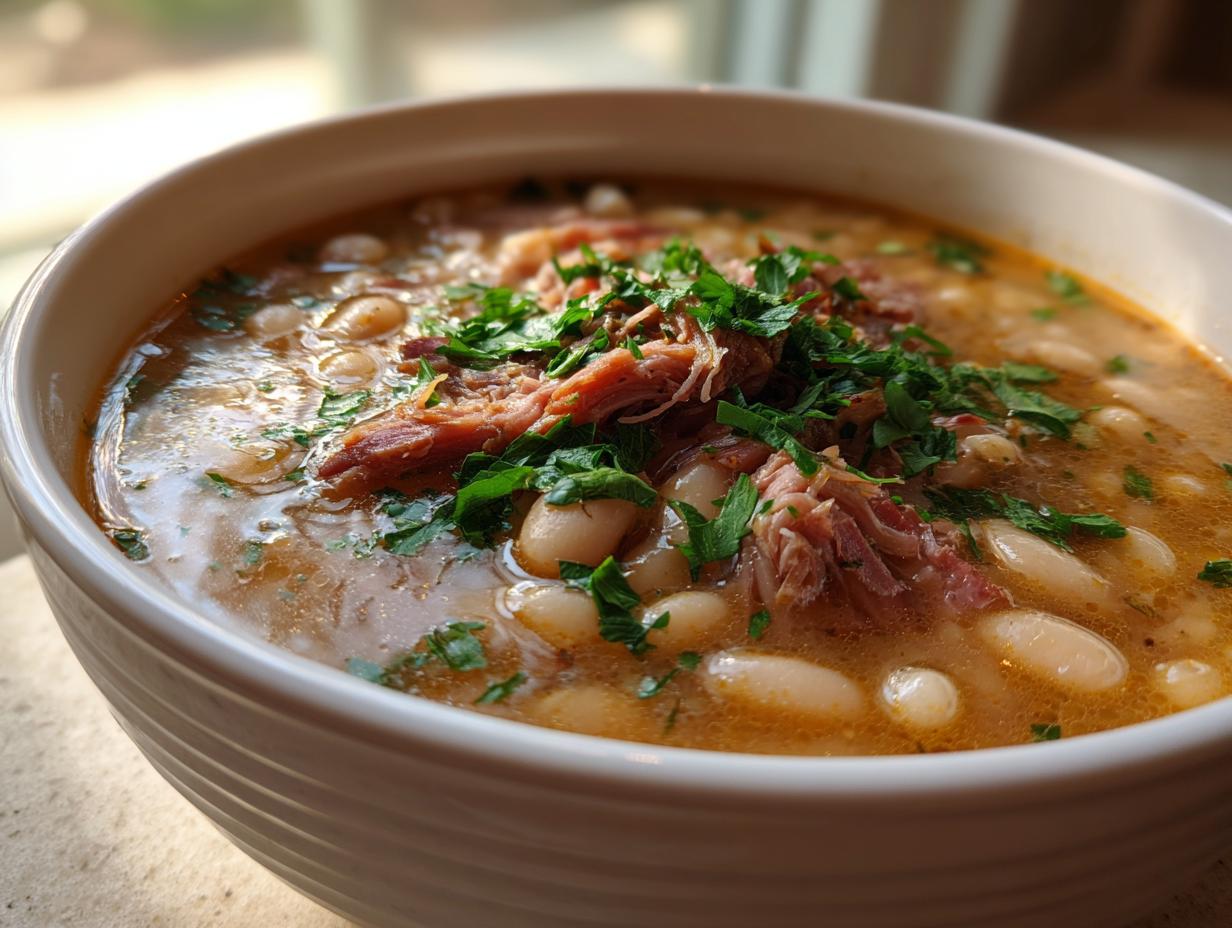
It’s that beautiful, quiet time right after the big holiday feast, isn’t it? The wrapping paper is gone, the guests have left, but you have this big, beautiful ham bone sitting there, begging you not to waste a single speck of flavor. That is exactly where my heart finds joy in the kitchen—turning what seems like scraps into something truly soul-satisfying. This ham and bean soup is more than just a meal to me; it’s tradition, a link back to my grandmother’s Chicago kitchen where nothing ever went to waste. We’re going to take that leftover ham bone and transform it into a rich, smoky favorite that just screams comfort. Trust me, this is the perfect way to extend the warmth of the holidays right into the chilly days ahead.
- Why This Hearty Ham and Bean Soup is the Perfect Post-Holiday Soup Recipe
- Ingredients for Soul-Satisfying Ham and Bean Soup
- Simple Steps to Prepare Your Ham and Bean Soup
- Tips for Success Making Navy Bean Stew
- Serving Suggestions for Your Ham and Bean Soup
- Storage and Reheating Instructions
- Frequently Asked Questions About Ham and Bean Soup
- Estimated Nutritional Data for Ham and Bean Soup
- Share Your Post-Holiday Soup Recipe Experience
Why This Hearty Ham and Bean Soup is the Perfect Post-Holiday Soup Recipe
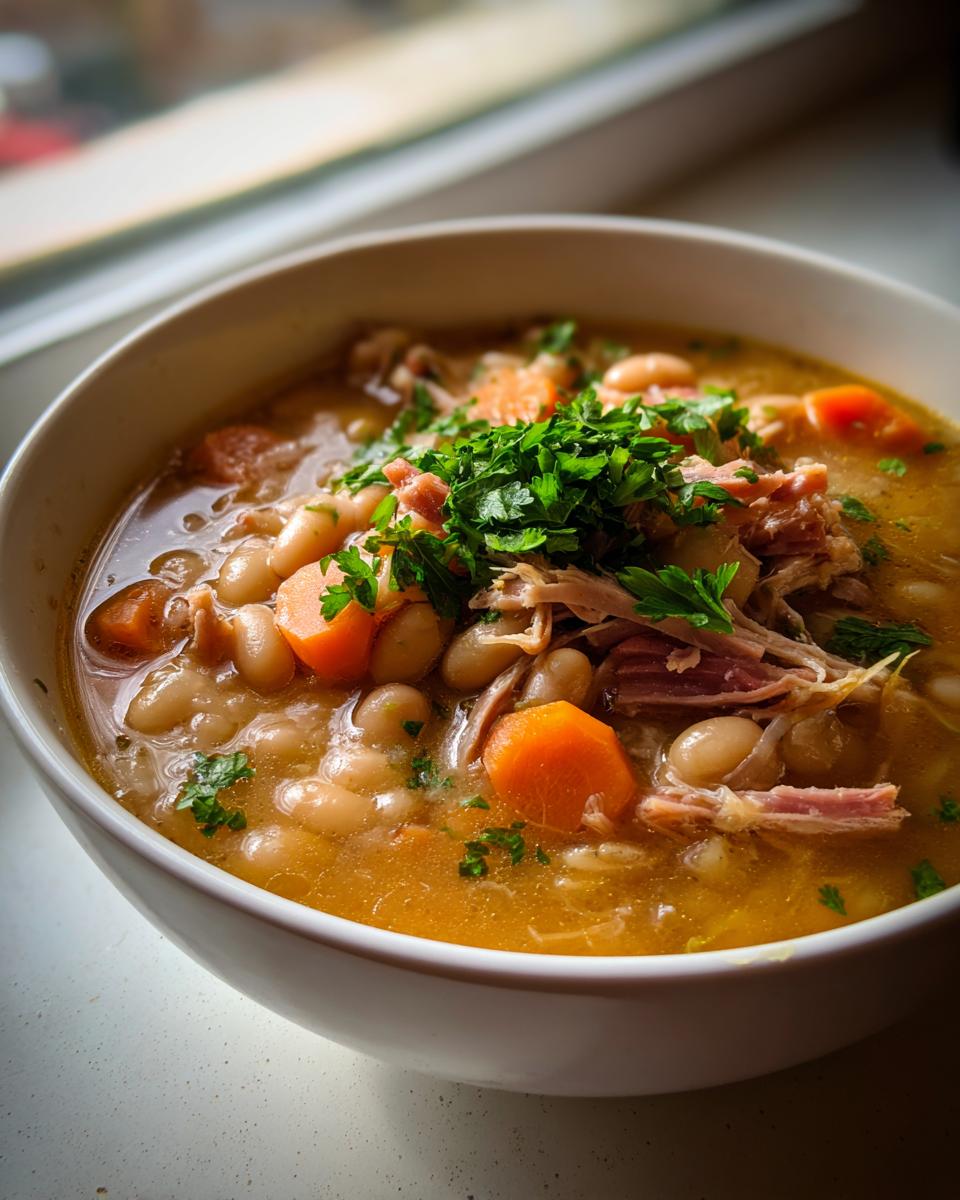
Honestly, if you have a ham bone sitting around, you absolutely have to do this! This isn’t just about making an easy meal, though it certainly is that. This is about flavor alchemy—taking something destined for the scraps bin and maximizing every bit of smoky goodness. It’s the ultimate post-holiday soup recipe because it brings comfort without needing a hundred new ingredients.
- It’s incredibly frugal! We stretch the holiday investment into two amazing meals.
- The depth of flavor you get from the bone is unmatched by just using ham chunks alone.
- There is nothing more comforting than smelling this simmering on the stove when it’s cold out.
Using Your Leftover Ham Bone Soup Magic
That bone is the secret weapon, truly. When you simmer dried beans with the ham bone, the marrow releases richness and that signature smoky dimension we all crave in a good ham and bean soup. You can’t fake that deep, savory base! It penetrates every single navy bean, turning a simple pantry staple into something extraordinary. This is how my family always made sure the holiday feast kept giving!
Ingredients for Soul-Satisfying Ham and Bean Soup
Okay, gathering your ingredients is the easy part! We’re keeping this straightforward because the magic happens slowly on the stove, not during prep time. You really don’t need much more than what you probably already have left after that big holiday dinner. Remember, clarity here means success later!
- 1 large leftover ham bone (make sure it still has some lovely meat attached!)
- 1 pound dried navy beans or Great Northern beans, rinsed really well first
- 8 cups water or low-sodium chicken broth—broth adds a little richness, but water works fine!
- 1 large yellow onion, chopped roughly
- 2 carrots, chopped into medium pieces
- 2 celery stalks, chopped just like the carrots
- 2 bay leaves (don’t skip these, they add depth!)
- 1 teaspoon dried thyme
- 1/2 teaspoon black pepper
- 1/4 cup chopped fresh parsley (this is just for looking pretty at the end)
Ingredient Notes and Substitutions for Navy Bean Stew
Before you start, you absolutely must decide on your beans. If you skipped the overnight soak, you’ll need to do that quick 1-hour boil trick, or your soup time doubles! I always try to remember to soak them the night before—it saves so much waiting time later on.
If you don’t have navy beans, Great Northern beans work almost identically. I’ve even used pinto beans in a pinch for a great navy bean stew, though the texture changes slightly. For the liquid, if you’re worried about saltiness from the bone, stick to plain water. If your ham bone isn’t very meaty, using chicken broth will give you a better foundational flavor from the jump.
Simple Steps to Prepare Your Ham and Bean Soup
Now we get to the fun part—watching magic happen! Remember, while I love marketing strategy from my old life, when it comes to cooking, intuition only gets you so far. Following these steps ensures you get that creamy, flavorful final pot of ham and bean soup every single time. You’ll want to start this early in the day because it needs time to just hang out and do its thing on the stove.
Preparing the Beans: Soaking vs. Quick Boil
This first step is critical when you’re using dried beans, and it’s all about efficiency. If you were smart and soaked your beans overnight—bravo! Just drain them well and you are good to go. If you forgot—oops! Don’t panic. Toss those rinsed beans into a pot, cover them with an extra two inches of water, bring it to a rolling boil for about a minute, then immediately pull it off the heat, cover the pot, and let them sit for an hour. After that hour, you must drain off that soaking water. Trust me; you don’t want that cloudy water anywhere near your final, clean-tasting soup base!
Simmering for Rich Flavor in Your Leftover Ham Bone Soup
Once those beans are ready, toss everything—the ham bone, the drained beans, your chopped veggies (onion, carrots, celery), the bay leaves, thyme, and pepper—into your biggest stockpot. Cover it all with your chosen liquid. Bring that whole mixture up to a good boil over high heat. The second it starts bubbling aggressively, reduce that heat way down to low. We want a gentle, lazy simmer here—not a violent boil! Cover the pot so things don’t evaporate too fast, but leave a tiny crack for steam to escape. You’re looking at two to three hours. Stir it every half hour or so to make sure those beans aren’t sticking to the bottom.
Finishing Touches for Perfect Ham and Bean Soup
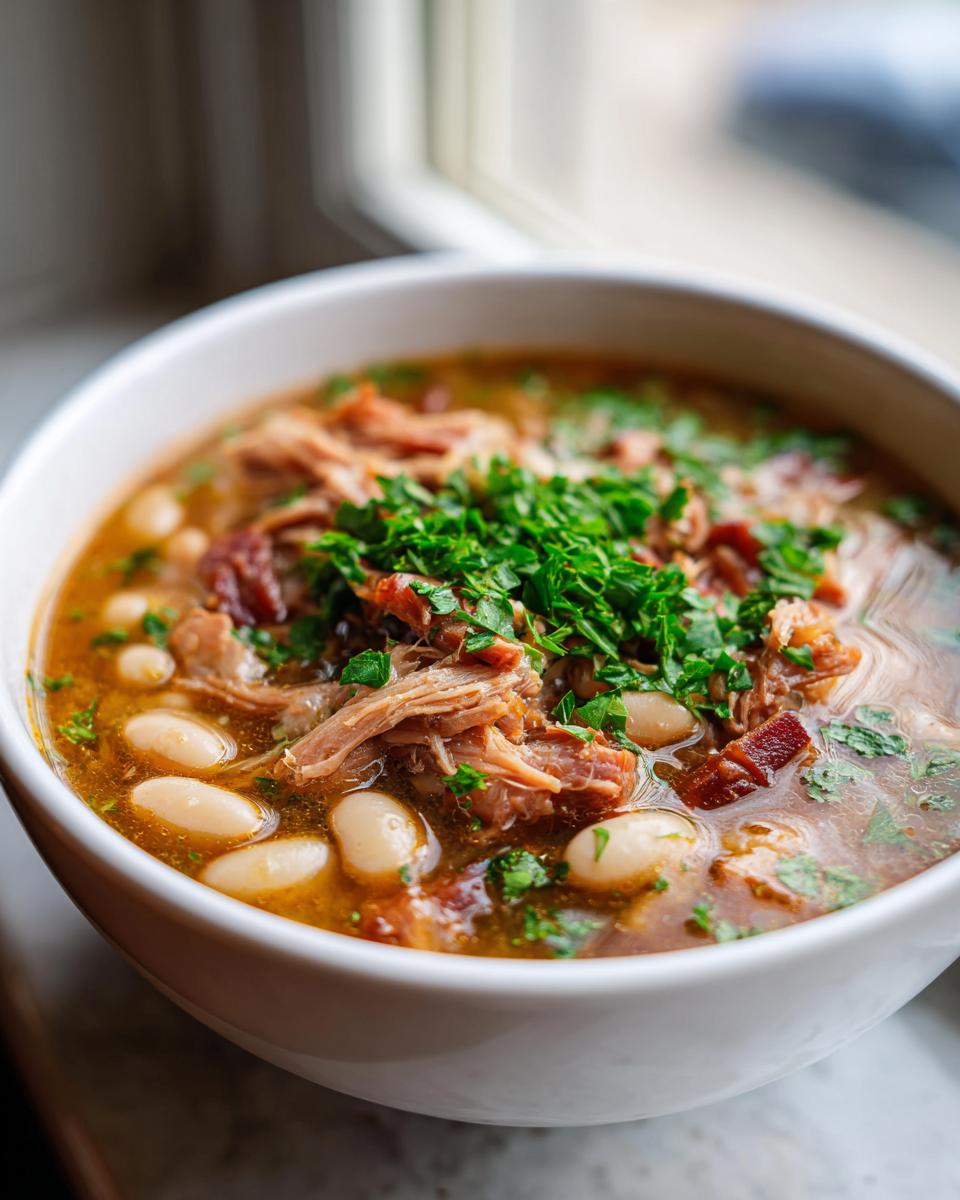
When those beans are super tender—like, creamy when you bite them—it’s time for the cleanup. Carefully lift out that ham bone. Let it cool down enough so you don’t burn yourself, then pull off every scrap of usable meat. Dice it up and toss it right back into the pot. Now, for the secret to amazing texture: take a big spoon, scoop out about a cup of those soft beans, and mash them against the side of the pot really well before stirring them back in. This thickens the broth beautifully! Finally, taste it before you add any salt; that ham bone usually seasons things perfectly. If you’re curious about how other cooks bring meals together, you can check out my philosophy on creating connected dining experiences over at our story page.
Tips for Success Making Navy Bean Stew
The difference between a decent bean soup and a genuinely amazing, restaurant-quality stew often comes down to those little tricks you learn over time. Since we aren’t using canned beans here, we have to be mindful of texture and saltiness. Don’t worry, I’ve got you covered so your result is perfectly creamy and deeply flavorful.
The main goal for texture is getting those beans to break down naturally. If, after that long simmer, you find your soup is still too watery for your liking, don’t rush to add thickeners! Remember that technique I mentioned earlier about mashing a cup of beans? Do that aggressively. The starches released from the mashed beans create a velvety mouthfeel that you just can’t replicate with flour or cornstarch. It keeps the flavor pure.
Flavor balance is the trickiest part, especially since everybody’s leftover ham bone brings a different level of saltiness. You absolutely MUST taste before you add a single pinch of salt at the end. If the broth is *too* salty, try adding an unsalted potato, peeled and diced. Let it simmer for about 20 minutes, then remove it. The potato absorbs excess sodium! Just make sure to remove it before serving, or mash it right into the pot if you don’t mind the cloudiness.
Also, don’t rush the simmer! I know three hours sounds like a long time, but that’s when the collagen from the bone begins to break down and marry perfectly with the thyme and vegetables. A quick 90-minute cook time results in beans that are done but lack that deep, almost smoky sweetness that makes this dish an absolute favorite comfort food.
Serving Suggestions for Your Ham and Bean Soup
What’s a big bowl of rich and smoky ham and bean soup without the perfect sidekick? Honestly, this hearty dish demands something great for dipping and scooping up every last drop of that broth. I’m really suggesting we lean fully into the comfort food vibe here!
- Cornbread is non-negotiable! Sweet or savory, a warm slice of cornbread is the best vehicle for soaking up this soup.
- A great crusty loaf of bread works wonders too—something dense that can handle being dipped without instantly dissolving.
- For a little pop of sharp flavor alongside this heavy navy bean stew, try serving it with a simple side salad dressed in a tangy vinaigrette. But mostly—go for that cornbread!
Storage and Reheating Instructions
One of the absolute best parts about making a big pot of this soup is knowing you’ve got leftovers stretching that holiday effort into the week! Because this soup is so sturdy and doesn’t have any delicate greens that wilt weirdly, it holds up beautifully.
For the refrigerator, let your soup cool down completely on the counter first—don’t seal up a hot pot, that traps steam and ruins the texture later. Once it’s cool, scoop it into airtight containers. It will stay perfectly good in the fridge for about four days. Remember, the longer it sits, the more those flavors seem to concentrate, which is fantastic!
Freezing Your Leftover Broth
If you made a massive batch, you definitely want to freeze some for a truly rainy day later. This stew freezes like a dream! Separate the solid bits (beans and meat) from the liquid broth if you can, or just freeze it all together in freezer-safe containers. Leave about an inch of space at the top because liquids will expand when they freeze solid.
When you’re ready to enjoy it again, just thaw it in the fridge overnight. Reheat it slowly on the stovetop. You might find it seems a little thicker after freezing, especially if some of those mashed beans broke down a bit more while frozen. If that happens, just stir in a splash of water or extra broth while reheating until it hits that perfect consistency you loved the first time around.
Reheating for the Best Flavor
When you reheat, always go low and slow on the stovetop. Bringing it to a rapid boil can sometimes make those dried beans seem slightly grainy again, which we definitely want to avoid after all that long simmering work!
Stir it often as it warms up. If you find the broth looks a little thin after reheating, remember that old trick: take a ladle of beans out, mash them really well with a fork, and stir that lovely paste back into the pot. That instantly brings back that creamy thickness we expect from a great, slow-cooked stew.
Frequently Asked Questions About Ham and Bean Soup
Can I use canned beans instead of dried beans for this ham and bean soup?
Oh, you totally *can* use canned beans if you’re in a huge rush—I won’t tell! But if you want that deep, authentic flavor and the creamy texture that truly defines a great leftover ham bone soup, dried beans are just better. Canned beans skip the long simmer where the flavor infuses. If you must use canned, rinse them really well, stir them in during the last 20 minutes of cooking just to heat through, and skip the long simmer time entirely!
How much longer does the soup take if I skip soaking the navy beans overnight?
That depends on how well you do that quick-boil method mentioned in the instructions! If you do the one-hour soak/boil trick, it adds about an hour to the prep time, but the simmer time stays roughly the same, maybe closer to 3 hours total instead of 2. If you add dry, unsoaked beans straight into the pot without that pre-heat, you are looking at closer to four or even five hours until those beans are tender enough for a proper navy bean stew. Patience really pays off here!
What if I don’t have a ham bone leftover? Can I still make this?
That’s a common post-holiday issue! If you don’t have the bone, you lose that crucial smoky element that makes this the ultimate post-holiday soup recipe. My go-to fix is using 1 cup of diced smoked ham (stirred in at the end) *plus* a small, inexpensive smoked ham hock or smoked turkey wing during the simmer. You won’t get *quite* the same richness as using the whole bone, but it keeps that smoky taste front and center. Remember to add salt very cautiously, since the hock is usually quite salty!
How do I ensure the final soup is nice and thick?
This is where we build texture the old-fashioned way! Right near the end, remove a ladle-full of beans (and maybe a little broth) and mash them thoroughly—I use a potato masher right in a separate bowl, or just mash them against the side of the soup pot with a big wooden spoon. Stir that mash back into the soup. Those mashed beans release starch which acts as a natural, creamy thickener for your ham and bean soup.
If you’re interested in our privacy standards for how we handle recipe submissions and comments, you can review our policy here: Privacy Policy Link.
Estimated Nutritional Data for Ham and Bean Soup
I always want to give you a ballpark idea of what you’re putting on the table, especially when we’re talking about comfort food that’s secretly pretty healthy! Remember, since we’re using a leftover ham bone and dried beans, these numbers are just estimates. Real life means ingredients vary slightly because we all have different amounts of meat on our bones, right?
This recipe generally comes out lower in fat than a lot of heavy winter meals because we rely mostly on the natural starches of the beans for creaminess, not gobs of cream or butter. It’s a great way to feel nourished without feeling weighed down!
- Serving Size: 1.5 cups
- Calories: 350
- Fat: 8g (Saturated Fat: 3g)
- Carbohydrates: 45g (Fiber: 15g—that’s fantastic!)
- Protein: 25g
- Sugar: 5g
- Cholesterol: 35mg
Just keep in mind that the final sodium count can really change depending on how salty your ham bone was to begin with. It’s always best to check that salt level at the end, as discussed earlier! This data is based on standard ingredient measurements and preparation methods for this classic American comfort dish.
Share Your Post-Holiday Soup Recipe Experience
Well, that’s it! You’ve taken something humble—a simple ham bone and a bag of dried beans—and turned it into a spectacular, soul-warming meal. I truly hope this recipe helps you stretch those holiday flavors just a little bit longer. My favorite part of sharing these recipes is hearing from you and seeing how you brought this tradition to your own table.
So, please, don’t be shy! If you made this ham and bean soup, let me know how it turned out. Did you use Great Northern beans or stick with navy beans? How much meat did you manage to pull off that bone? Drop a rating below—I always check my comments!
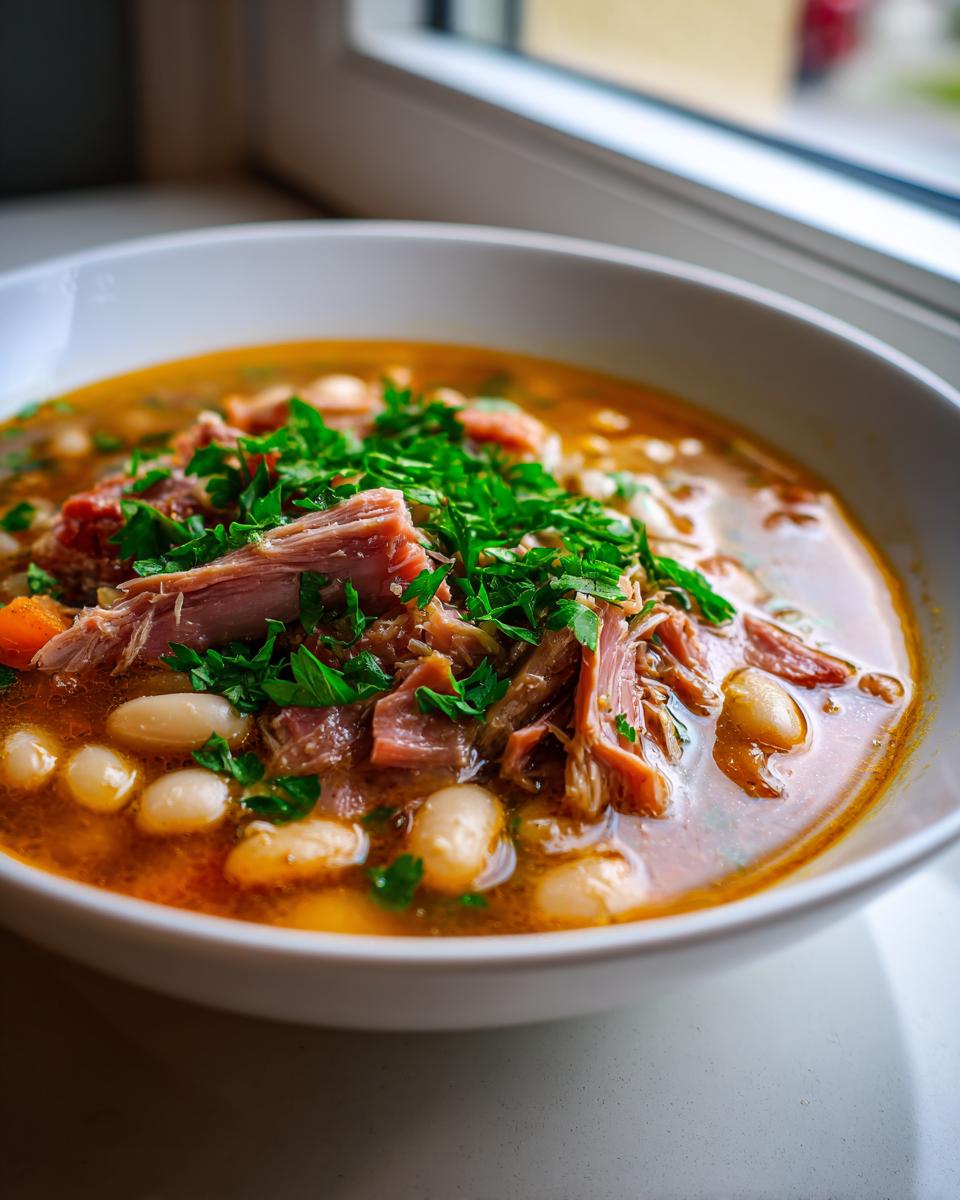
Sharing your experience helps other readers gain the confidence to try this wonderful leftover ham bone soup next time the holidays roll around. If you took a picture while it was simmering on the stove or serving it up with that perfect slice of cornbread, I’d love to see it! You can always reach out to us if you have any questions or just want to share a kitchen story; we built this community to connect over food, so never hesitate to send a note through our contact page.
Happy cooking, and I hope this comforting navy bean stew brings a little extra joy to whatever chilly day you’re having!
PrintHearty Ham and Bean Soup from a Leftover Ham Bone

Make a soul-satisfying ham and bean soup using your leftover holiday ham bone. This recipe creates a rich, smoky broth and tender beans for a classic, comforting meal.
- Prep Time: 20 min
- Cook Time: 3 hr
- Total Time: 3 hr 20 min
- Yield: 8 servings 1x
- Category: Soup
- Method: Stovetop Simmering
- Cuisine: American
- Diet: Low Fat
Ingredients
- 1 large leftover ham bone (with meat attached)
- 1 pound dried navy beans or Great Northern beans, rinsed and picked over
- 8 cups water or low-sodium chicken broth
- 1 large yellow onion, chopped
- 2 carrots, chopped
- 2 celery stalks, chopped
- 2 bay leaves
- 1 teaspoon dried thyme
- 1/2 teaspoon black pepper
- 1/4 cup chopped fresh parsley (for garnish)
Instructions
- If you did not soak the beans overnight, place the rinsed beans in a large pot, cover with water by two inches, bring to a boil, then remove from heat and let stand for 1 hour. Drain the beans. (If you soaked them overnight, simply drain them.)
- Place the ham bone, drained beans, water or broth, onion, carrots, celery, bay leaves, thyme, and pepper into a large stockpot or Dutch oven.
- Bring the mixture to a boil over high heat, then immediately reduce the heat to low. Cover the pot partially.
- Simmer the soup for 2 to 3 hours, or until the beans are completely tender and the meat on the ham bone is falling off. Stir occasionally to prevent sticking.
- Remove the ham bone from the pot. Once cool enough to handle, shred all the meat from the bone and discard the bone and any large pieces of fat or cartilage. Return the shredded ham meat to the soup.
- Taste the soup and add salt if needed; the ham bone often seasons the soup sufficiently. If you prefer a thicker soup, mash about 1 cup of the beans against the side of the pot with a spoon, then stir them back in.
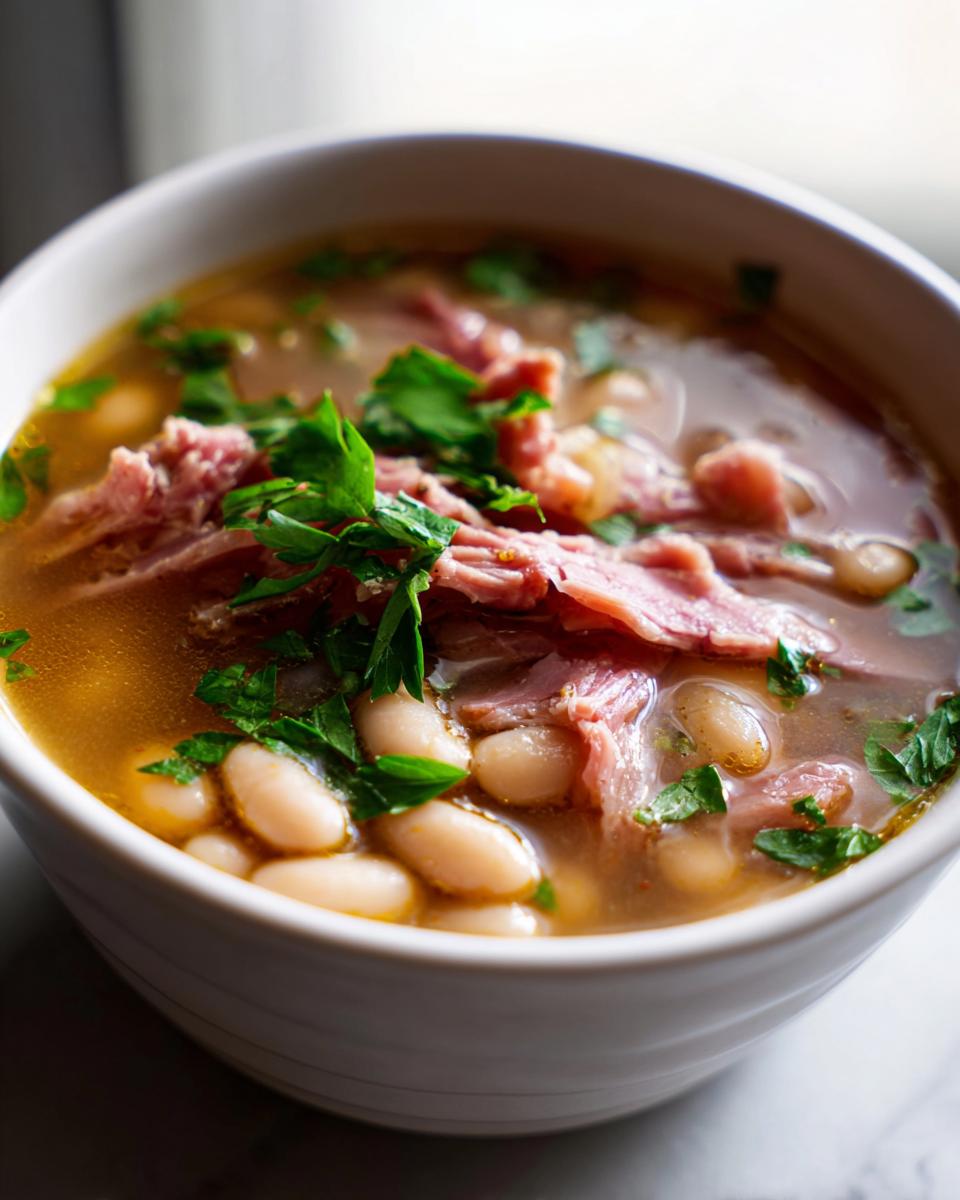
- Ladle the ham and bean soup into bowls and garnish with fresh parsley. Serve hot, perhaps with cornbread.
Notes
- Soaking the dried beans overnight reduces the cooking time significantly.
- For an extra smoky flavor, you can add a small piece of smoked ham hock along with the bone.
- This navy bean stew freezes well for future meals.
Nutrition
- Serving Size: 1.5 cups
- Calories: 350
- Sugar: 5
- Sodium: 550
- Fat: 8
- Saturated Fat: 3
- Unsaturated Fat: 5
- Trans Fat: 0
- Carbohydrates: 45
- Fiber: 15
- Protein: 25
- Cholesterol: 35